How to Use Landscape Fabric
Maintaining a great looking property takes a lot of work from a homeowner, but there are ways you can make things easier on yourself. There are countless tools and techniques that can save time in your garden, like complex irrigation systems, but there are also easier ways to be more efficient, like with landscape fabric.
Landscape fabric can save you hours of time spent stooped over plucking weeds, but it isn’t expensive, and it’s easy for most homeowners to install. Let’s learn more about using landscape fabric, including what it is, what it’s used for, how to lay it, and alternatives to traditional geotextile landscape fabric.
What is Landscape Fabric?
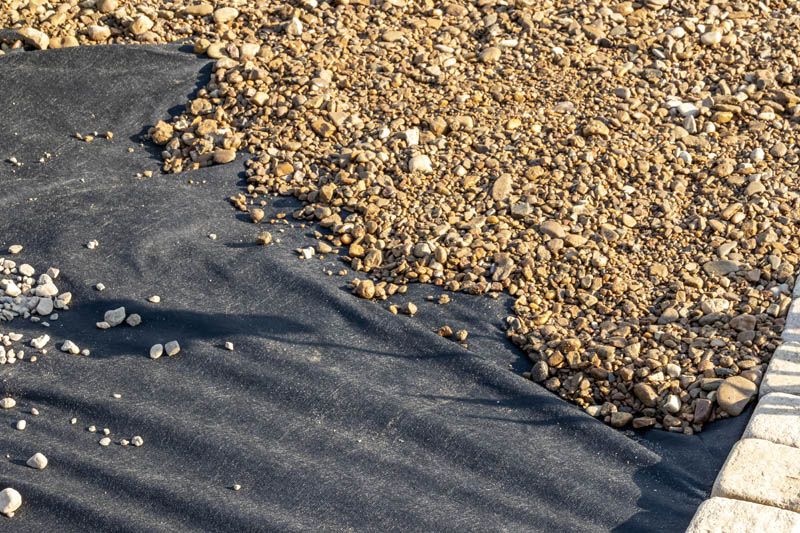
Landscape fabric is a porous geotextile material used to control weed spread by suffocating potential weed growth. Landscape fabric can be made from several types of synthetic fabrics, such as polyester or polypropylene, as well as from other materials, such as cellulose or hemp. Landscape fabric varies in quality, but even high-quality materials are affordable for most homeowners and don’t add significantly to the cost of custom landscaping.
What Does Landscape Fabric Do?
Landscape fabric’s primary job is keeping weeds from emerging in flower or garden beds and other targeted areas. The fabric does not allow sunlight to get to potential weed seeds and starters but let’s moisture through for any plants above the barrier. It’s useful for spaces where you want zero plant growth or to keep unwanted plant growth from permeating desired plant areas.
How to Lay Landscape Fabric
Note: Landscape fabric should always be installed prior to planting.
- Select a high-quality landscape fabric that will cover your working area. Factor in waste so you don’t run short.
- Till and smooth the ground where you plan to lay the fabric. Add fertilizer before tilling for extra nutrients.
- Add a berm to your working area’s border. Ideally moisture will flow down into the planting area and not over the side.
- Spread the weed barrier at least 6 inches past your border. Smooth out wrinkles and folds.
- Place the plants you intend to plant on the fabric in their desired locations.
- Cut the fabric to size, but make sure you get a few inches of border overlap.
- Cut holes for new plants. Usually, two cuts in the shape of a plus sign are all it takes.
- Stake the landscape fabric into place; the more stakes, the better.
- Backfill the area with new topsoil or mulch that has been filtered of seeds.
Landscape Fabric Alternatives
Landscape fabric is not for everyone. It can be difficult for some homeowners to install; it might not keep all weeds at bay, and it can be a burden to work through if you are installing new plants. Let’s explore three alternatives to landscape fabric.
- Pre-Emergent – Pre-emergents are herbicides sprayed in beds and areas meant to kill weeds before they reach the sun. Pre-emergent is useful in areas of open space but can be difficult in beds where you might accidentally kill plants you don’t want to. This should only be used in large areas where all plants and weeds alike are not desired.
- Mulching – A thick layer of mulch allows moisture to pass through but blocks sunlight from germinating any weed seeds close to your plants. There are several types of mulch available from organic to synthetic in many textures and colors. Be prepared to do some weed removal though, as some weeds can take root in mulch. This method is less effective than landscape fabric.
- Groundcover plants – Groundcover plants use the sun, moisture, and nutrients that would otherwise fuel weed growth and provides a much more natural alternative to landscaping fabric. Plant groundcover plants around problem areas for beautiful blooms and greenery instead of intrusive weeds. Although this helps curb weed growth, it is still not as effective as landscape fabric. However, weeding groundcover is easier and the results last longer.
Landscape Fabric vs Plastic
Plastic landscape coverings and mulches are great for blocking weeds in play areas and other spaces where you don’t want plants to emerge, but are not recommended for areas of active growth. Plastics block sunlight and moisture, and low-quality plastics can leech unhealthy chemicals into the soil. There are high-quality porous plastic fabrics available, but plastic is not as breathable and porous as woven organic landscape fabrics.
Stop Weeds with Landscape Fabric for Beautiful Landscaping
Landscape fabric is affordable, easy to install, and can save you hours of weeding and bed cleanup. If your custom landscape project is too labor-intensive to undertake on your own, call JS Enterprises to discuss your landscaping needs. Our professional team can recommend the right landscape fabric or alternative to get the job done right.