Impact of Landscaping on Property Resale Value in Colorado

Boost your home’s appeal and resale potential with professional landscaping, which can increase value by 15–20%. Explore the outdoor upgrades that deliver the strongest ROI before listing.
Table of Contents
    Add a header to begin generating the table of contents

    You are standing in your kitchen, looking out at a patchy lawn and a cracked concrete slab that someone once called a patio. The for-sale sign is not in the yard yet, but it might as well be. You have already started running the numbers in your head: what needs fixing, what needs upgrading, and what will actually move the needle when buyers walk through the door. If you are like most Colorado homeowners, the question is not whether to invest in your outdoor space before listing, it is where to put those dollars for the highest possible return. The impact of landscaping property resale value is not anecdotal or wishful thinking; it is one of the most reliably documented value drivers in residential real estate. By the time you finish reading, you will know exactly which outdoor features deliver the strongest ROI, how much value they can add, and why skipping the professional design step is the most expensive mistake you can make.

    Why Outdoor Living Spaces Are a Must-Have for Modern Homebuyers
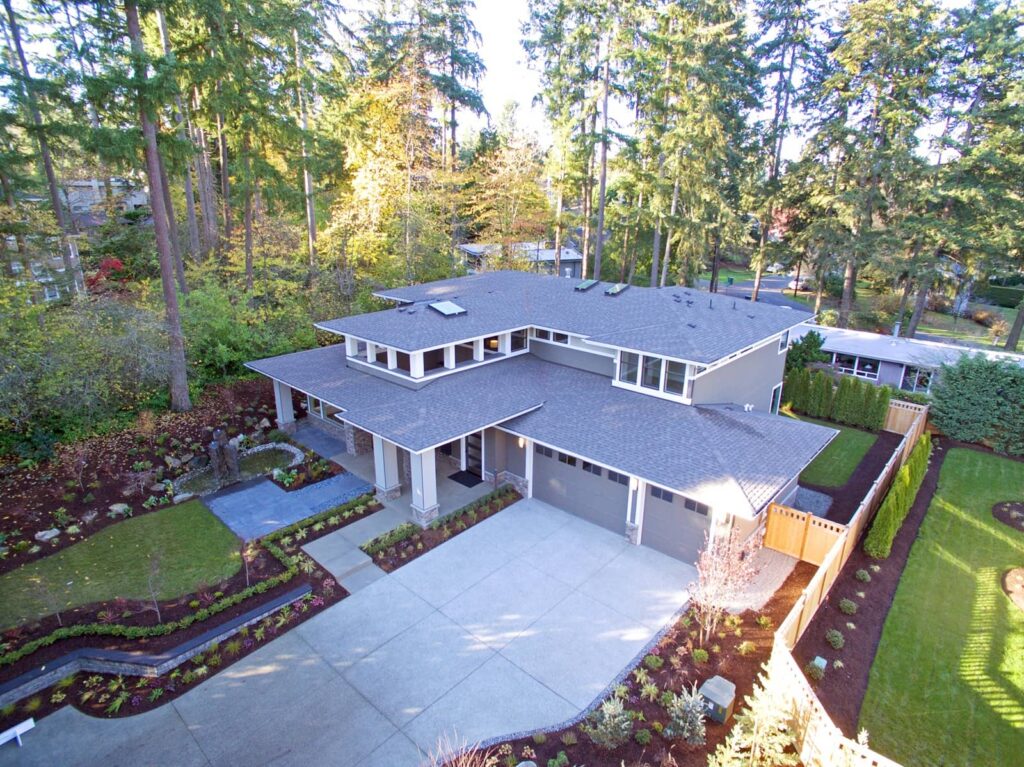
    The way people use their homes has shifted permanently. Remote and hybrid work schedules mean a property must now function as an office, a gym, a restaurant, and a retreat, all at once. Buyers touring homes in 2026 are not just counting bedrooms; they are mentally mapping where they will take a conference call in the fresh air or host friends on a Friday evening. An outdoor living space answers that demand by extending the usable square footage of a home without the permitting headaches, construction timelines, or six-figure price tags of a traditional addition.
    New Construction Landscaping
    There is also a psychological layer at play that real estate agents see every weekend during open houses. A thoughtfully designed patio, a shaded dining area, or a firepit surrounded by native plantings sends an unmistakable signal: this property has been cared for, upgraded with intention, and maintained by someone who paid attention. Buyers internalize that signal within the first few seconds of arriving, and it colors everything they see afterward. Add the practical energy savings that come from well-placed shade structures reducing air conditioning loads during Colorado’s increasingly warm summers, and you have a feature set that appeals to both the emotional and the analytical sides of a buyer’s brain. Homes with functional, attractive outdoor spaces consistently sell faster and generate more showings than comparable properties without them.

    The Quantifiable Impact of Landscaping Curb Appeal on Property Resale Value

    If you take nothing else from this article, take this number: 15 to 20 percent. That is the resale value increase attributed to professional landscaping by the American Society of Landscape Architects, and it is the figure cited most often by appraisers, real estate agents, and property researchers alike. On a $600,000 home, which is a realistic price point in many Colorado markets, that translates to an additional $90,000 to $120,000 in value. The math gets compelling fast.

    Other data points reinforce the pattern. A Thumbtack survey found that 57 percent of respondents believe a beautiful exterior adds at least $20,000 to a home’s value, with 16 percent estimating the bump is even higher. Research from the Trust for Public Land shows that properties adjacent to parks and recreational greenways can command price premiums of up to 20 percent. What all these statistics share is a common thread: curb appeal is not cosmetic fluff. It shapes buyer perception in seconds, establishes expectations about the condition of the entire property, and gives appraisers concrete, comparable evidence that a home deserves to be valued at the top of its range. When the front yard and backyard both look like they belong in a magazine, buyers assume the mechanical systems, the roof, and the foundation have been treated with the same level of care.

    Top Outdoor Features That Deliver the Highest Return on Investment

    Patios and Decks

    A professionally designed patio or deck is about as close to a guaranteed return as you can get in home improvement. Most homeowners recoup between 70 and 90 percent of their investment at resale, and in competitive markets the figure can climb higher. The reason is straightforward: these spaces create a seamless transition between indoors and outdoors, effectively adding a room to the house without the cost of framing walls or running HVAC. Materials matter here. Stamped concrete, composite decking, and natural stone all signal quality and longevity to buyers who have been burned by rotting wood or sinking pavers at other properties. A well-built patio also offers the kind of versatility that photographs well in listings and shows beautifully in person, whether staged for lounging, dining, or entertaining.

    Outdoor Kitchens and Dining Areas

    If patios are the reliable workhorses of outdoor ROI, outdoor kitchens are the show ponies, and in the right market they can deliver returns of up to 200 percent. That number depends heavily on execution: a built-in grill on a prefab cart will not move the needle the way a fully equipped space with high-quality appliances, stone countertops, and weather-resistant cabinetry will. Colorado’s climate, with its abundant sunshine and extended warm seasons, makes outdoor kitchens particularly attractive to buyers who can picture themselves hosting dinner parties well into October. There is also a powerful psychological calculus at work. Many buyers recognize that building an outdoor kitchen themselves later will be expensive, disruptive, and time-consuming. They are often willing to pay a premium upfront to inherit a finished product rather than take on another project.

    Fireplaces and Firepits

    Fire features do not deliver the eye-popping ROI percentages of kitchens or patios, but they occupy a unique position in buyer psychology. A professionally built outdoor fireplace or firepit typically returns 50 to 70 percent of its cost, and what it lacks in raw percentage it makes up for in emotional impact. A fire feature extends the usable season of an outdoor space into Colorado’s cool spring evenings and crisp fall nights. It creates a natural gathering point that buyers can imagine their families circling for years to come. That kind of emotional connection is difficult to quantify on a spreadsheet, but listing agents will tell you it shows up in offer prices. Buyers who feel something during a showing are buyers who stretch their budgets.

    Shade Structures (Pergolas, Gazebos, Awnings)

    In a state that averages over 300 days of sunshine per year, shade is not a luxury, it is a functional requirement. Pergolas, gazebos, and retractable awnings offer an ROI of 50 to 80 percent, and they do double duty as both architectural focal points and practical comfort features. A well-designed shade structure tells buyers that they will actually use the patio in July and August rather than retreating indoors and abandoning the outdoor space for months at a time. There is also an energy efficiency angle that appeals to cost-conscious buyers: by blocking direct sun from hitting windows and exterior walls, shade structures can measurably reduce cooling costs during the hottest parts of the year.

    Water Features and Pools

    Pools inspire strong opinions. In the right market, a professionally installed pool can boost resale value by up to 7 percent, but the ROI equation depends heavily on design quality, energy efficiency, and the expectations of buyers in your specific neighborhood. A dated, high-maintenance pool can actually deter offers, while a sleek, modern design with variable-speed pumps and efficient heating can be the feature that tips a buyer toward your property over a comparable one down the street. Spas and smaller water features like fountains or reflecting ponds carry less risk and add a sensory dimension, the sound of moving water, the play of light on a surface, that differentiates a property from the competition without the maintenance anxiety that a full pool can trigger.

    Professional Landscaping and Native Plantings

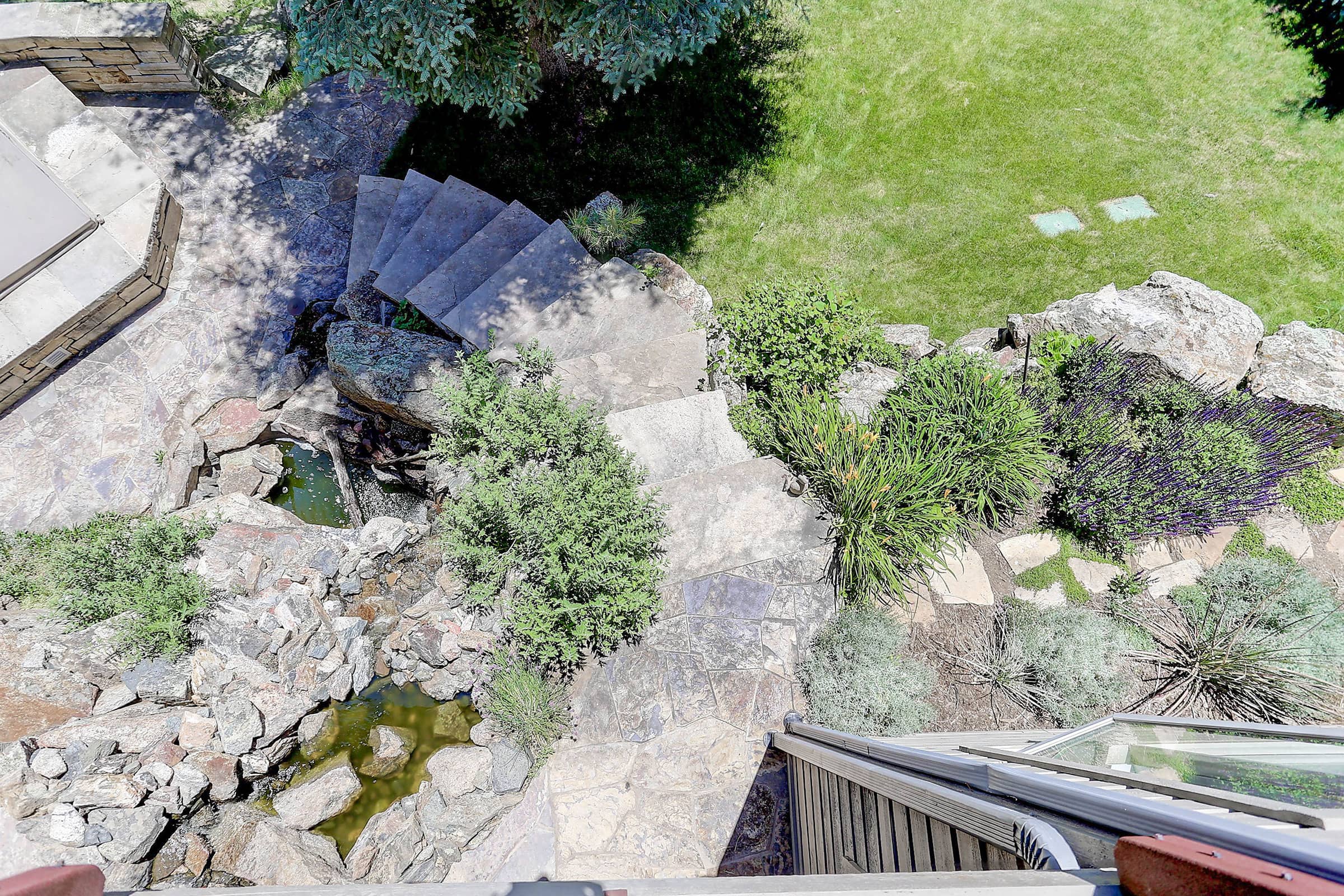
    Landscaping is the foundation that makes every other outdoor feature look its best. Studies consistently show that a well-maintained, professionally designed yard can add 5 to 15 percent to a property’s value on its own. In Colorado, the smart money is on native and drought-tolerant plantings. Species like Russian Sage and May Night Purple Salvia thrive in the local climate, require less water, and signal to buyers that the landscape will not be a constant battle against nature. Xeriscaping principles, replacing thirsty turf with gravel beds, stone accents, and hardy perennials, are increasingly attractive to eco-conscious buyers who understand that water in the West is a precious and expensive resource. Pairing thoughtful plant selection with landscape lighting and efficient irrigation creates a property that looks stunning during the day and dramatic at night, doubling the hours of curb appeal.
    Why Professional Design Matters for Maximum ROI

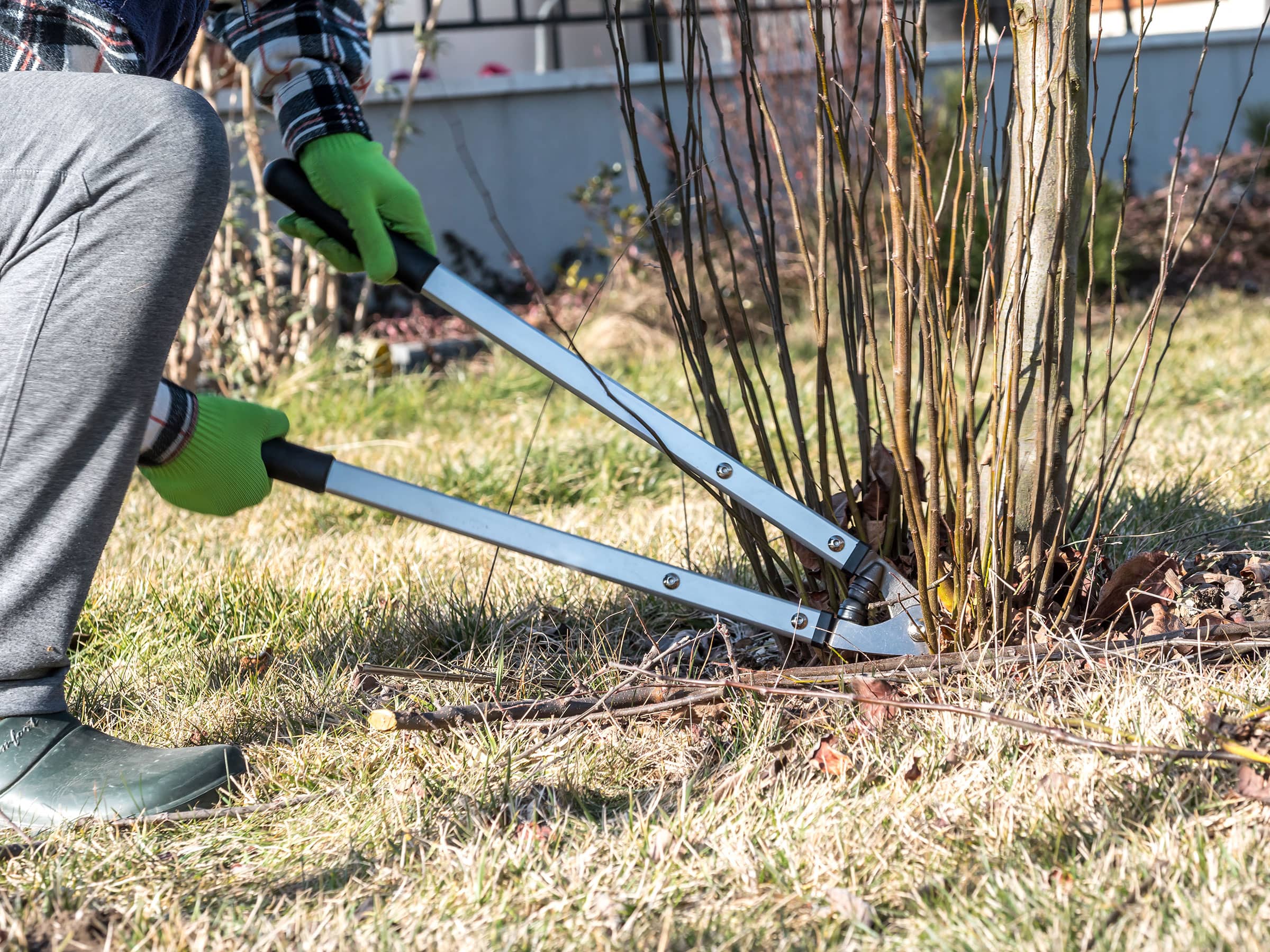
    It is tempting to look at a list of high-ROI features and head to the hardware store with a weekend warrior’s confidence. Resist that impulse. Amateur landscaping creates problems that are expensive to fix: poor grading that channels water toward foundations, plant selections that die within a season, hardscaping that settles unevenly, and designs that feel disjointed rather than cohesive. Professional landscapers bring an understanding of local climate, soil conditions, and plant species that cannot be replicated by watching tutorial videos. They know how to balance aesthetics with functionality so that spaces flow naturally from one zone to the next. When an appraiser or a buyer’s agent walks your property, a professionally designed outdoor space reads as an asset rather than a liability. The seams are invisible, the materials are appropriate, and the overall effect is one of intentionality. That perception justifies a higher asking price and reduces the likelihood that a buyer will try to negotiate a credit for landscaping fixes after the inspection.

    Common Landscaping Mistakes That Decrease Property Value

    Not every outdoor investment pays off. The most common mistake is over-improving for the neighborhood. Installing a $50,000 outdoor kitchen with a built-in pizza oven and a koi pond on a street where the average sale price is $400,000 will not magically lift your home into a higher price bracket; it will simply mean you spent money you cannot recoup. Neglecting basic maintenance is equally damaging. Overgrown shrubs, cracked pavers, faded stain on a deck, and beds full of weeds tell buyers that the property has been ignored, and they will assume the neglect extends to the mechanical systems and structural elements they cannot see. Poor plant selection is another trap: non-native species that demand excessive water or die during Colorado’s dry winters create a landscape that looks like a project rather than an amenity. Dark, unlit outdoor spaces feel uninviting and shrink the perceived usable area of the property. Finally, DIY drainage solutions that leave water pooling near the foundation are a red flag that can tank an appraisal or send buyers running to the next listing.

    How to Prioritize Your Outdoor Living Investment Before Listing

    If you are preparing to sell and working with a finite budget, sequence matters. Start with the fundamentals: clean up existing landscaping, refresh mulch beds, power wash hard surfaces, and make sure every plant looks healthy and intentional. These low-cost moves have an outsized impact on first impressions. Next, focus on the features with the highest and most reliable ROI. A well-built patio or deck should take priority over a pool or a water feature. Consider your specific market context: a suburban family neighborhood may value a flat lawn and a firepit more than a sleek minimalist hardscape, while an urban buyer might prioritize privacy screening and low-maintenance plantings. Timing is also critical. Major installations should be completed at least one full season before you list so that plantings have time to establish, hardscaping has settled, and the space looks lived-in rather than freshly constructed. Work with a professional to develop a phased plan that allocates your budget to the projects that will deliver the strongest return, rather than spreading resources too thin across too many half-finished improvements.

    Final Thoughts: Outdoor Living as a Smart Investment for Colorado Homeowners

    An outdoor living space occupies a rare category in home improvement: it delivers genuine lifestyle enjoyment while you own the property and measurable financial return when you sell it. The impact of landscaping curb appeal on property resale value is backed by decades of data, with professional landscaping alone contributing a 15 to 20 percent value increase that dwarfs the returns on many interior renovations. Strategic investments in patios, outdoor kitchens, fire features, shade structures, and native plantings pay off at the closing table because they align with what modern buyers actually want: homes that extend beyond four walls, that accommodate how people really live, and that feel like a retreat rather than just a structure. In Colorado’s competitive real estate market, where buyers have options and know they can be selective, a thoughtfully designed outdoor space is not just a nice-to-have. It is the feature that makes someone write an offer instead of moving on to the next listing.

    FREE ESTIMATES

    • This field is for validation purposes and should be left unchanged.
    Share the Post:

    Related Posts