Maintenance for Water Features: Tips, Techniques, and Professional Options
Water features are relatively easy to sustain. However, regular attention is essential. Focus on pump upkeep and clean it based on the manufacturer’s advice to guarantee functionality. Keep your filter clean, removing any blockages once or twice a month. Regularly check water levels as low levels could damage the pump. Prevent algae growth by keeping your water feature clean and limiting sunlight exposure. And if the task seems daunting, professional help is available. With systematic maintenance, water features can offer significant aesthetic value to your space. Remember, the more you understand your water feature, the easier the maintenance becomes.
Key Takeaways
- Regular maintenance of water features involves cleaning the pump and filter and managing water levels.
- Algae prevention is crucial to maintain the aesthetics and functionality of water features.
- Maintenance frequency depends on the size and location of the water feature, requiring weekly to monthly attention.
- Some maintenance tasks may be complex and require professional assistance for efficient problem-solving.
- Despite regular tasks, proper maintenance can prevent damage, save time, and decrease overall effort.
Understanding Pump Maintenance
In dealing with water feature maintenance, understanding that the core of your water feature is the pump and regular cleaning is essential to keep it functioning at its best. The pump circulates water, maintaining a fresh, clean aesthetic, and it’s essential not to overlook its maintenance.
Depending on the manufacturer’s instructions, you should clean your pump weekly or monthly. It’s easy; you’ll just need a cloth and some water to scrub off any debris or algae. You might need to disassemble the pump for a thorough cleaning, but don’t worry; it’s usually a simple process.
Another crucial aspect is monitoring your pump’s performance. It might be time for a replacement if you notice it’s not circulating water as efficiently as before. Any signs of wear or damage to your pump should be addressed immediately.
Lastly, ensure your pump is securely connected to its power source. A loose connection risks pump failure and can pose a potential safety hazard. So, don’t neglect your pump, it’s the core that keeps your water feature alive and beautiful.
The Importance of Filter Cleaning
Just as you take care of your pump, tending to your water feature’s filter is equally important for maintaining a beautiful and healthy water feature. Your filter plays a vital role in keeping your water feature clean by removing debris and preventing algae growth.
Regular filter cleaning is essential to ensure it functions at its best. Depending on your water feature’s size and location, you must clean the filter once or twice a month. Clogs or blockages can hinder the filter’s performance and even damage it, so you must inspect it regularly.
The correct cleaning method varies, so refer to your water feature’s instructions. Typically, you’ll need to remove the filter, rinse it thoroughly, and remove any visible debris. If the filter appears worn out or damaged, replace it immediately.
Using appropriate tools can simplify filter cleaning. Specific brushes designed for this task can reach small areas that are otherwise challenging to clean.
Managing Water Levels Effectively
To keep your water feature functioning smoothly, managing the water level effectively is crucial. The water level in your fountain, pond, or waterfall must be checked regularly, especially during hot or windy weather when evaporation rates increase. If the water level drops too low, the pump can start drawing in air, leading to damage or burnout.
A simple way to manage water levels is to manually top off the water with a hose. However, this can be time-consuming and easily forgotten in a busy schedule. A more convenient solution is to install an auto-fill device, which automatically replenishes water as it evaporates or splashes out.
Remember, water levels should always be above the recommended minimum level indicated in your water feature’s manual. During winter, if your area experiences freezing temperatures, it’s advisable to drain your water feature to prevent ice damage.
Being vigilant about water levels can prevent costly repairs or replacements in the future. Effective water level management is crucial for the longevity of your water feature and for maintaining its aesthetic appeal and tranquil ambiance.
Preventing Algae in Water Features
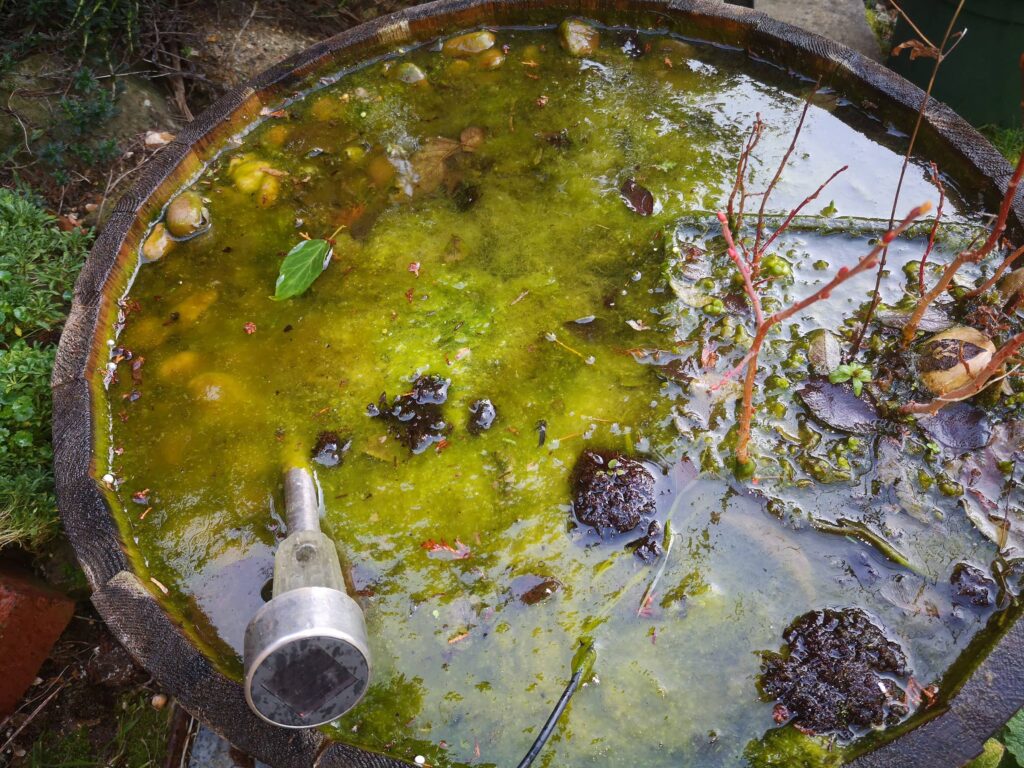
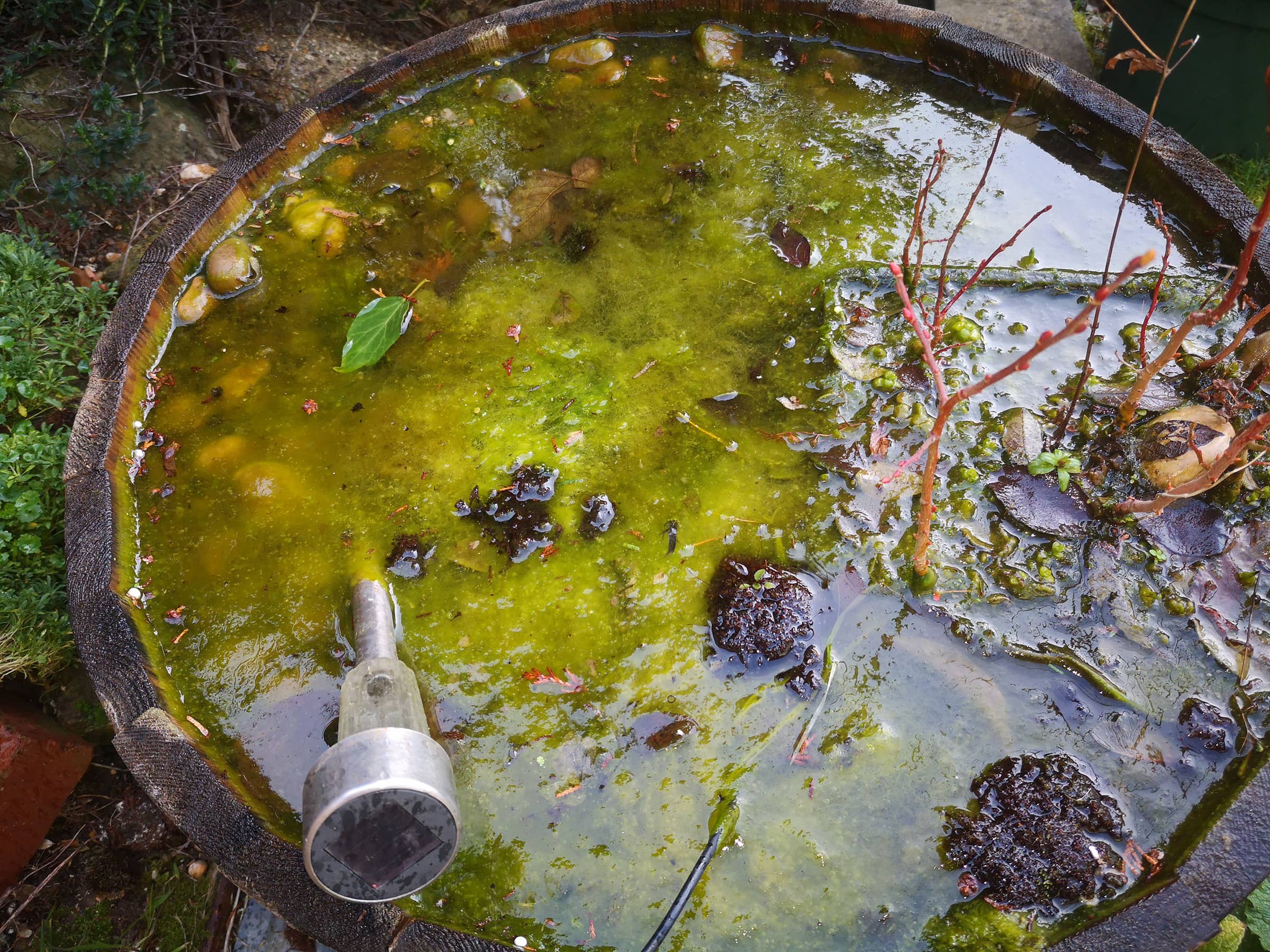
Dealing with the persistent issue of algae in your water feature, understanding why these green invaders thrive and how you can deter their growth is important. Algae thrive in sunlight and nutrient-rich environments. If your water feature is directly under the sun and contains organic matter like leaves or bird droppings, it becomes a fertile ground for algae.
To prevent algae, you’ll need to practice regular maintenance. Keep your water feature clean and free of organic debris. Use a skimmer or a net to remove leaves and other debris that might fall into the water. This makes sure your water feature is not a feeding ground for algae.
Another effective prevention technique is to limit sunlight exposure. Consider moving your water feature to a shaded area or add aquatic plants that provide shade over the water’s surface.
Lastly, use algae treatments that are safe for any wildlife that may drink or bathe in your water feature. Algaecides like barley straw extract can be helpful. Remember, prevention is more accessible than cure. With these measures, you can maintain a clear, algae-free water feature with minimal fuss.
Pros and Cons of Water Features
Despite the undeniable charm and aesthetic appeal they bring to your space, weighing the pros and cons of water features before deciding to install one is important.
On the plus side, water features can significantly enhance your landscape, acting as a stunning focal point. They offer unique customization options, allowing you to choose from a variety of construction types and materials.
However, there’s a flip side. Water features can attract pests like mosquitoes and bees. Additionally, they demand regular and meticulous maintenance, which might be time-consuming. Depending on the design and materials used, they can also be quite expensive both to install and maintain. In addition, while the sound of trickling water can be soothing for some, it might lead to increased background noise that others find irritating. Finally, the water feature could attract unwanted wildlife to your property.
Essential Tips for Fountain Sound Calibration
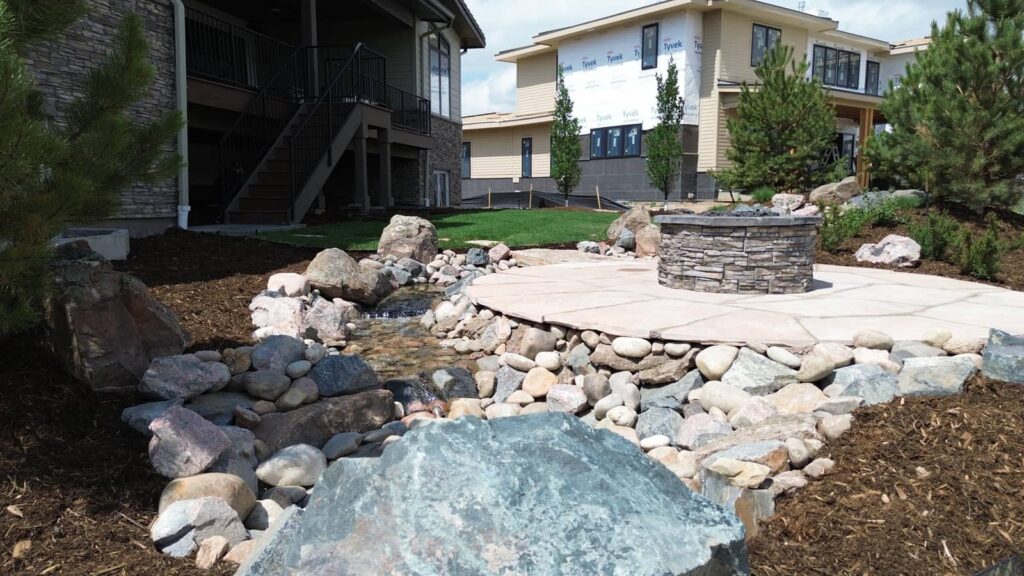
While considering the various aspects of water features, one often overlooked detail is the calibration of fountain sounds, which can greatly influence the overall ambiance of your outdoor space. Proper sound calibration can transform an irritatingly loud fountain into a soothing natural symphony, creating an environment of peace and tranquility.
The first step in sound calibration is adjusting the fountain’s pump. By changing the pump speed, you can control the volume and rhythm of the water flow. If the sound is too loud, slow the pump down. If it’s too soft, increase the pump speed.
Next, consider the water feature’s design. The shape and size of the fountain or waterfall will affect the sound it produces. Experiment with different water levels to discover the sound that appeals most to you.
Conclusion
Maintaining a water feature is easier than most people expect. While it does require regular pump checks, filter cleaning, water‑level management, and algae control, these tasks are manageable with a bit of consistency and the right know‑how. When more complex issues come up, professional help is always an option. Considering the beauty and calming atmosphere a water feature adds to your yard, the upkeep is often well worth it.
For a custom pond or water feature designed and installed the right way, reach out to JS Enterprises and bring your yard to life with professional expertise.