Best Trees for Sound Barrier: What are the Best Trees for a Quieter Outdoor Space?
Do you wish to enjoy some peace and quiet in your outdoor space? You can do so with the help of nature! Noise reduction landscaping with trees is an effective way to reduce noise pollution in your yard. Sound barriers made from trees are especially beneficial for homes located near a busy road, providing natural soundproofing and a more pleasant environment. Discover the top 11 trees that are perfect for blocking sound and creating a quieter outdoor space. Learn about their characteristics, tips for planting, and how to add color to your plant barrier. Do you wish to enjoy some peace and quiet in your outdoor space? You can do so with the help of nature! Noise reduction landscaping with trees is an effective way to reduce noise pollution in your yard. Sound barriers made from trees are especially beneficial for homes located near a busy road, providing natural soundproofing and a more pleasant environment. Discover the top 11 trees that are perfect for blocking sound and creating a quieter outdoor space. Learn about their characteristics, tips for planting, and how to add color to your plant barrier.
- Incorporate noise absorbing materials and use acoustic barriers to reduce noise pollution in your yard.
- Plant noise-blocking trees and shrubs, such as Cypress Trees, Arborvitae Trees, and Holly Trees and Shrubs.
- Consider native trees known for noise reduction and choose the right size, shape, and placement of plants for best results.
- Be mindful of local noise regulations and consider using acoustic panels or soundproofing materials for further noise reduction.
How Noise Reduction Landscaping Works
How Noise Reduction Landscaping Works
You can reduce noise pollution in your yard by incorporating noise-blocking trees and other landscaping techniques. Planting trees, shrubs, or hedges are soundproofing techniques that can help reduce noise sources in your outdoor space. For maximum noise reduction, use native trees or plants that are known for their noise-blocking properties. Trees and shrubs should be strategically planted in dense plantings to form effective noise barriers; the placement and density of these plantings are crucial for absorbing and blocking sound. Additionally, consider acoustic panels or other soundproofing materials to help block out noise. Be mindful of local noise regulations and the environmental impact of your landscaping decisions. Consider the size, shape, and placement of plants and trees to achieve the best noise-blocking results. With the right techniques, you can reduce noise pollution in your outdoor space and create a more peaceful environment.
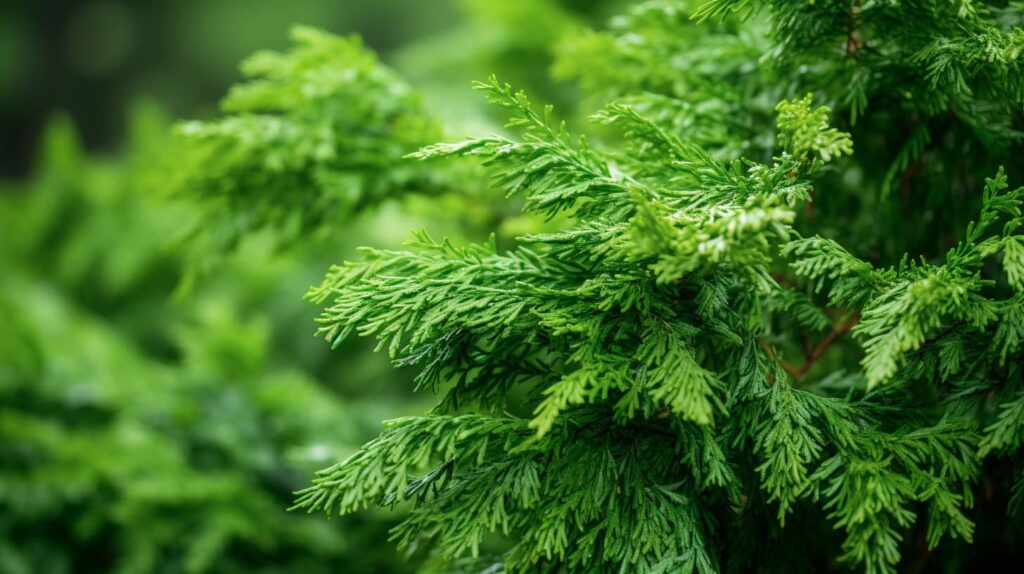
Best Trees for Soundproofing:
Cypress Trees
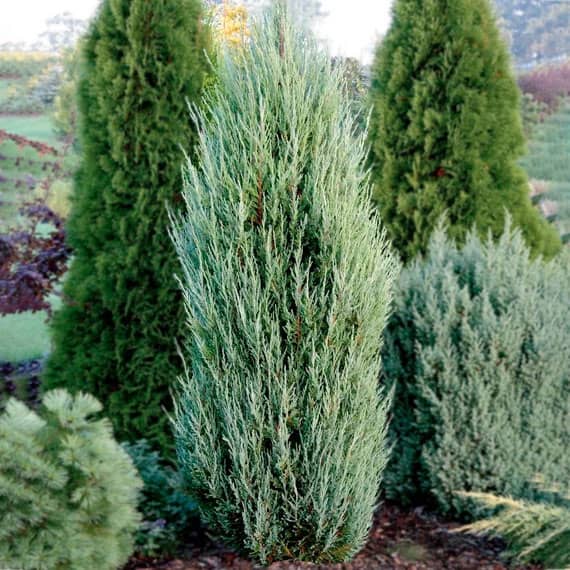
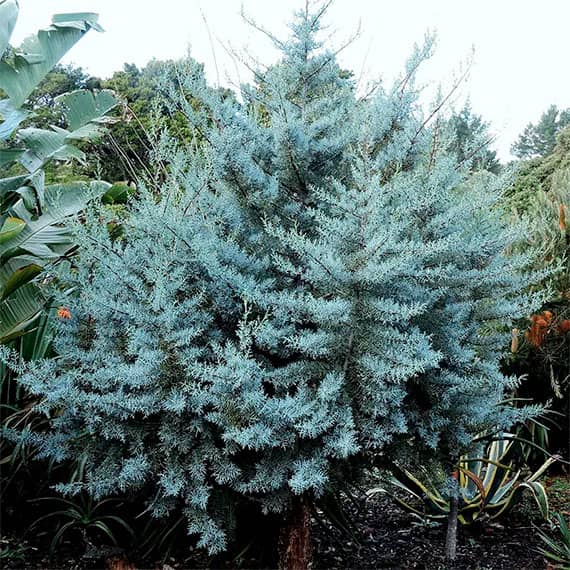
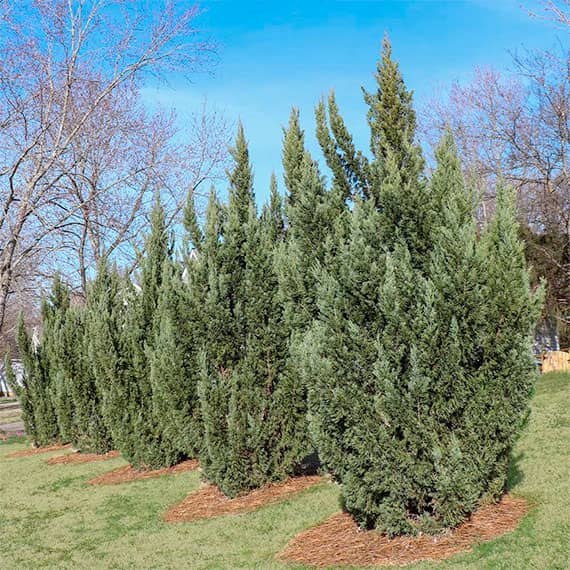
Rocky Mountain Juniper (Juniperus scopulorum):
You’ll find the Rocky Mountain Juniper (Juniperus scopulorum) – a type of Cypress tree – on mountain slopes across the U.S. and Canada. It’s a great choice for creating a quieter outdoor environment, as it offers noise absorption benefits as well as windbreak advantages. When selecting a juniper, consider its size, shape, and texture, as well as the needs of your site. Its dense foliage often reaches the ground, providing effective ground cover that helps block sound and prevents gaps in the noise barrier. It’s also beneficial for wildlife, providing a habitat for birds and small mammals. In terms of water needs, junipers are drought-tolerant and do not require much irrigation. Therefore, it’s a great choice for a low-maintenance, noise-blocking outdoor space.
Arizona Cypress (Cupressus arizonica):
Leyland Cypress (Cuprocyparis leylandii):
You’ll find the Leyland Cypress (× Cuprocyparis leylandii) to be an ideal choice for blocking noise and wind in your outdoor space – it’s fast-growing, tolerant of most soil types, and requires minimal pruning. This cypress is also a great choice for soundproofing methods due to its evergreen foliage and dense branch structure. The Leyland Cypress has many uses, from providing privacy to controlling noise levels. Its dense foliage provides effective noise control tactics and can help reduce sound levels up to 10 decibels. The tree becomes most effective as a noise barrier once it reaches its mature size, allowing it to fully block and absorb unwanted sounds. This cypress is also low maintenance, needing only regular watering and occasional pruning to keep it looking its best. The Leyland Cypress is an excellent choice for those who are looking for a tree with benefits such as noise reduction, wind blockage, and privacy. With its fast growth and dense foliage, it’s a great option for soundproofing methods and noise control tactics.
Arborvitae Trees
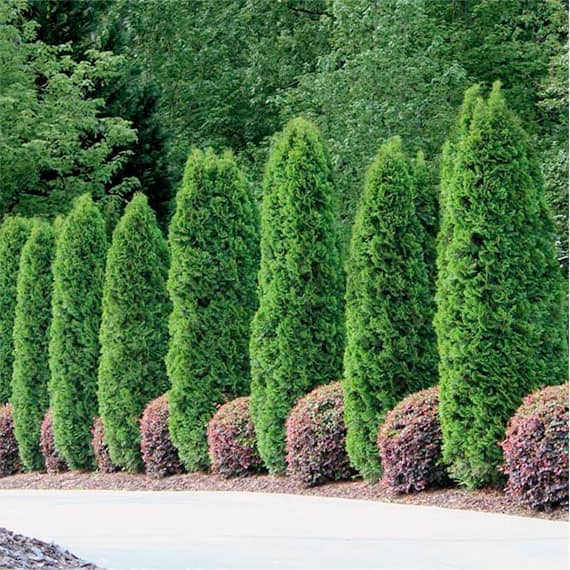
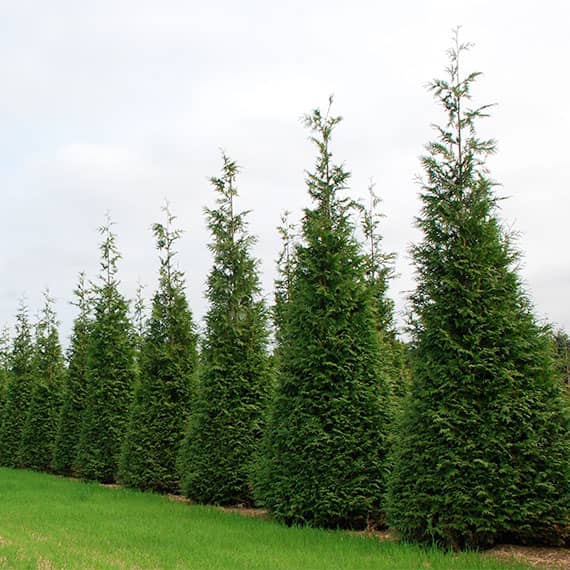
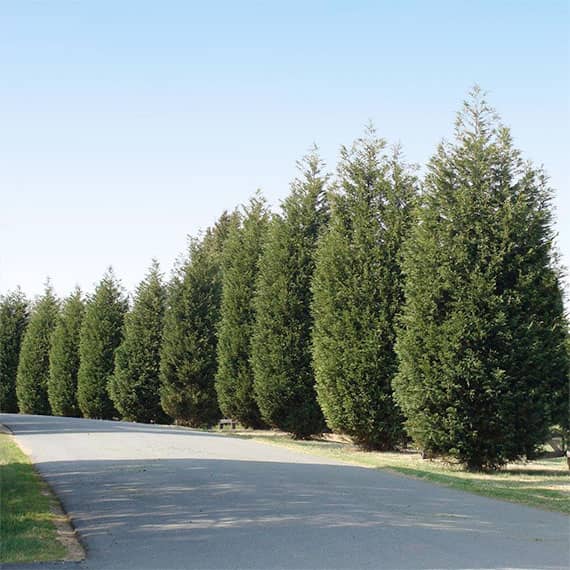
Green Giant Arborvitae (Thuja standishii x plicata 'Green Giant':
Emerald Green Arborvitae (Thuja occidentalis 'Smaragd'):
Techny Arborvitae (Thuja occidentalis 'Techny'):
Holly Trees and Shrubs
American Holly (Ilex opaca):
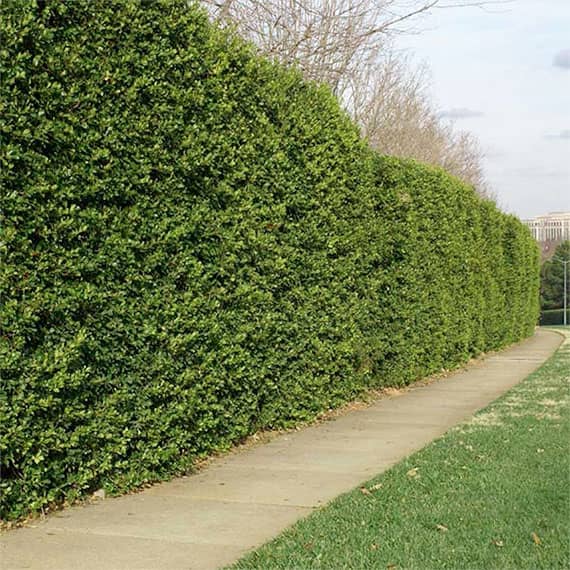
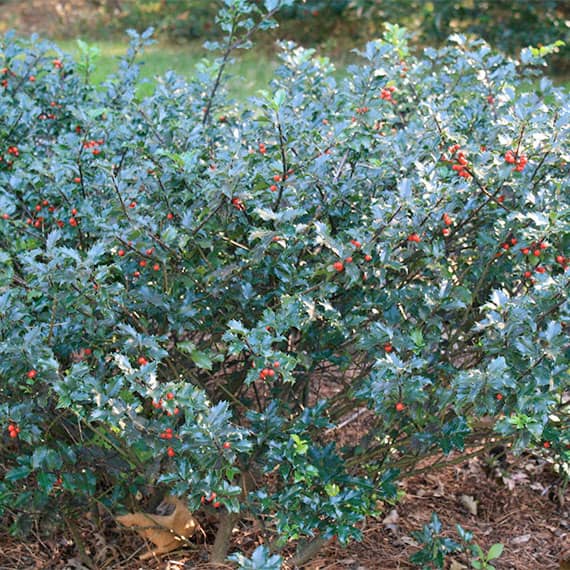
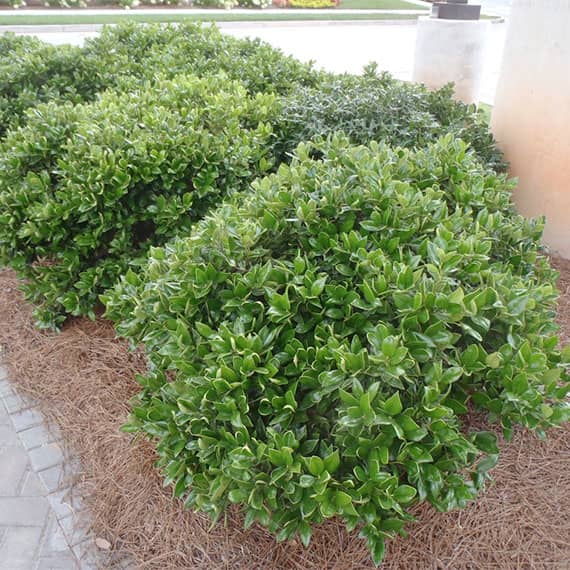
Chinese Holly (Ilex cornuta):
Blue Holly (Ilex x meserveae):
Juniper Trees and Shrubs
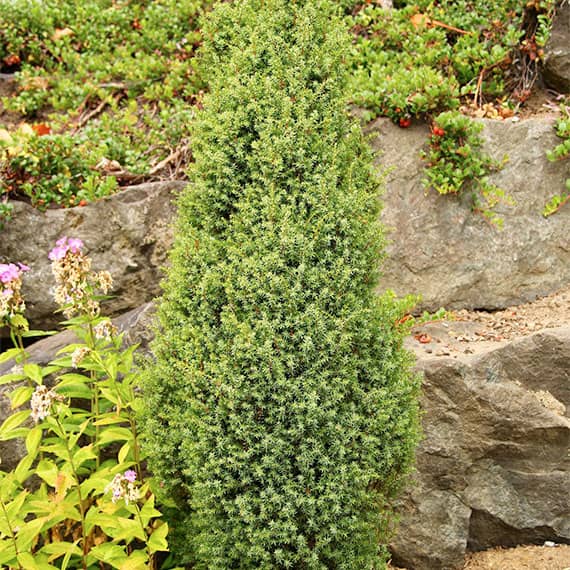
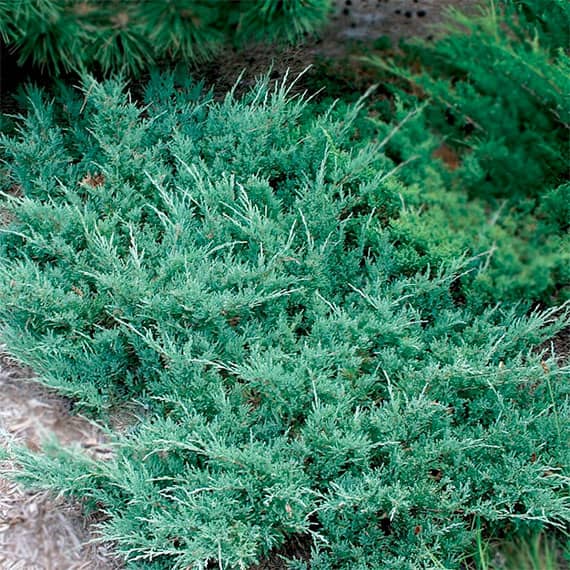
Juniperus communis (Common Juniper):
Juniperus horizontalis (Creeping Juniper):
Adding Color to Your Plant Barrier
Characteristics of Sound Barrier Trees
Conclusion
Now you know how to create a peaceful outdoor space that will block out unwanted noise. Trees like cypress, arborvitae, holly, and juniper are excellent choices for creating a sound barrier. Planting a combination of trees and shrubs will give you the best results. Adding colors to your plants will also add visual appeal to your outdoor space. With the right combination of plants, you can create a peaceful oasis that is free from noise.
These trees and shrubs are especially effective at reducing traffic noise in residential areas, helping you enjoy a quieter and more comfortable outdoor environment.
Unleash the full potential of your property with JS Enterprises, the leading name in custom landscape design across Colorado. Don’t let budget constraints hold you back. Inquire about our free estimates and financing options to bring your vision to life without breaking the bank!