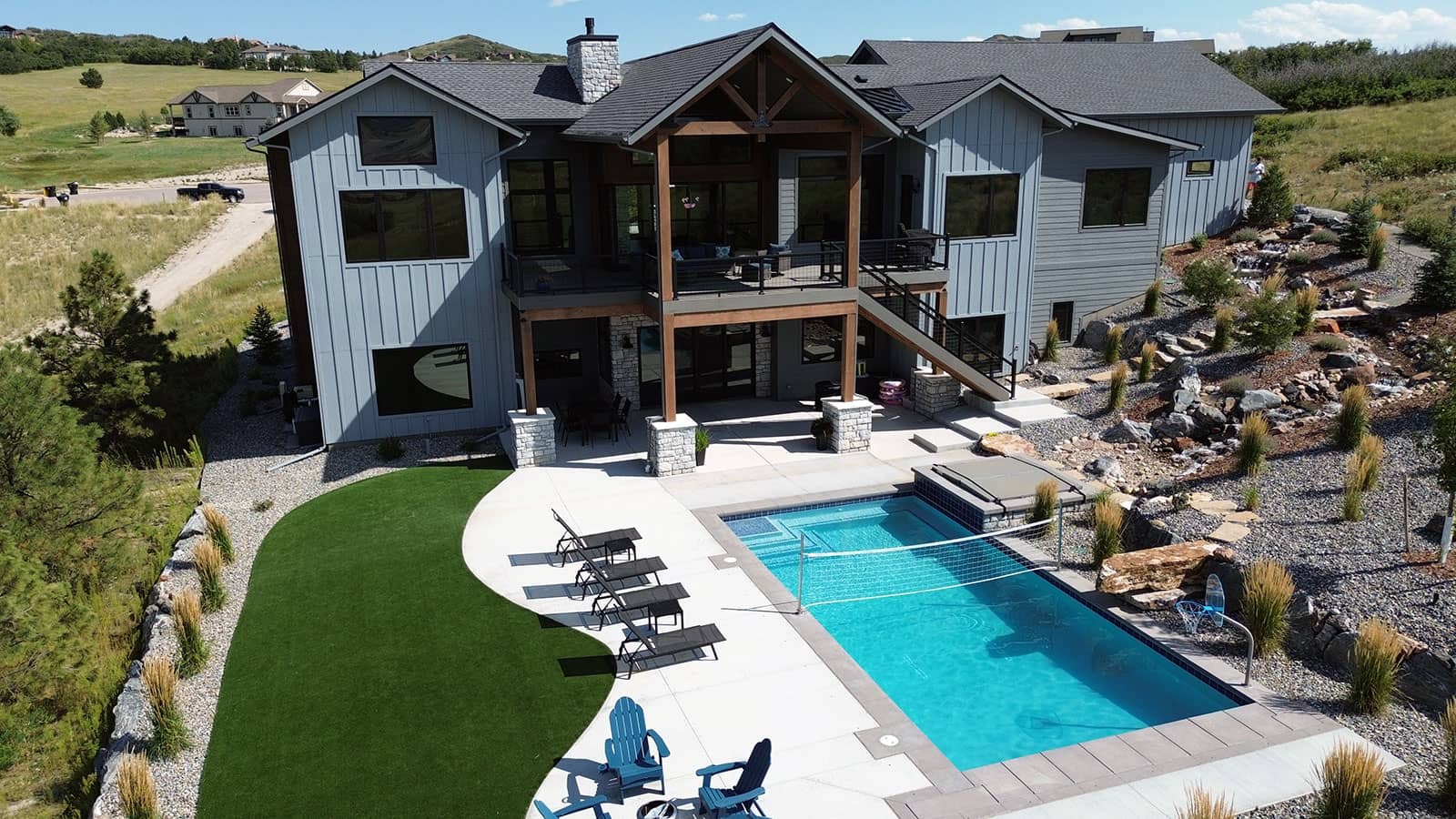
A plain flat lot is a boring place to call home. Though flat properties have their benefits, the earth simply doesn’t allow for flat lots everywhere. The natural rolls and undulations of the ground make for a more natural setting, but different grades of property also mean you need to get those grades where they’re supposed to be – like with a retaining wall.
Retaining walls dot roadways and properties across Denver and the Colorado Springs area, but if you’ve never had to interact with one, you’re likely unfamiliar with everything retaining walls can offer. A retaining wall is a structure specifically designed to retain soil, prevent soil erosion, and manage water drainage. These walls are engineered to counteract lateral earth pressure from the soil they hold back, making them essential for stabilizing slopes and supporting landscaping or construction projects. If you’re in need of building a retaining wall or replacing your current retaining wall, let’s get some retaining wall ideas and find out what a retaining wall is.
What is a Retaining Wall?
Types of Retaining Walls
Because they’re found in a wide array of environments and are needed for different jobs, there is a wide variety of retaining wall types and wall designs. Each retaining wall design is suited to specific applications, depending on factors such as soil conditions, height, and intended use. The type of retaining wall depends on your plans, the surrounding environment, and what you need to hold back.
Generally, walls less than 4 feet tall can be simple gravity walls, while taller structures require more complex engineering.
Let’s learn about four main types of retaining walls.
Cosmetic Retaining Walls
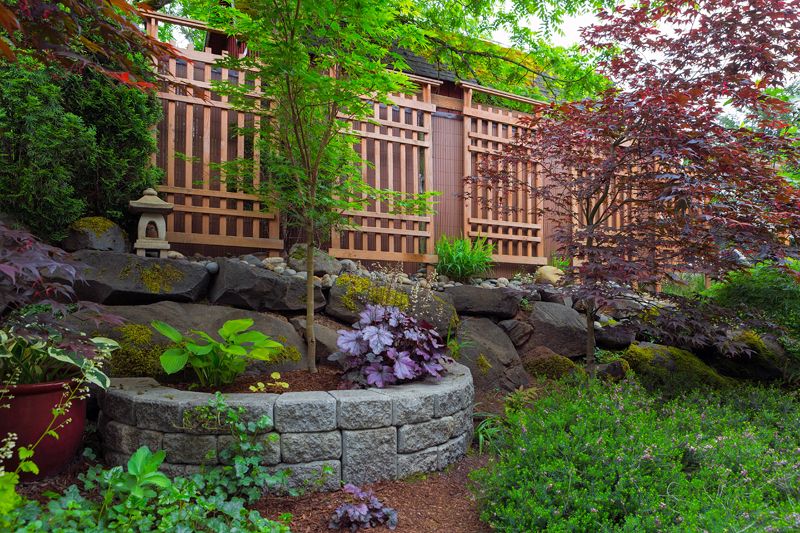
Structural Retaining Wall
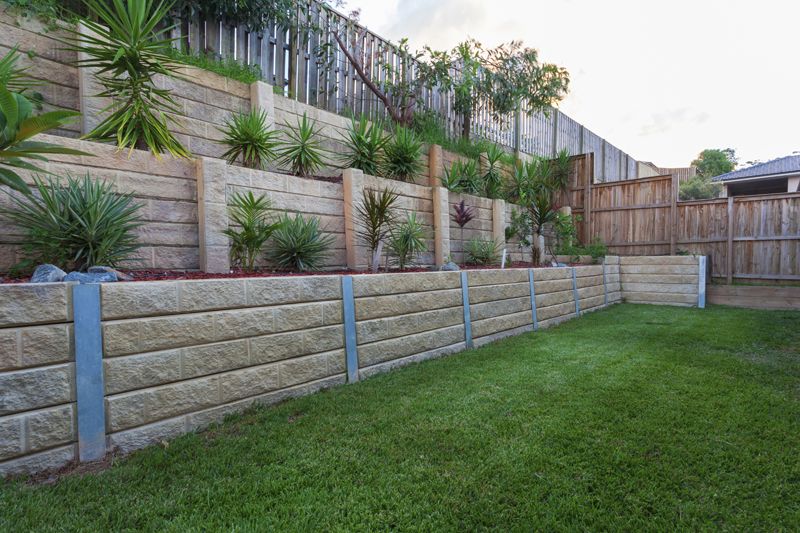
Temporary Retaining Wall
Temporary retaining walls include retaining walls that are put in place for construction purposes or temporary retaining walls used to retain earth before a permanent retaining wall is installed.
You’re likely to see temporary retaining walls on construction sites, like new home foundation pours or for new road construction. Temporary retaining walls can be as simple as 2 x 4s nailed to posts, up to intricate rebar systems for large-scale foundations. What is the common theme of temporary retaining walls? They are not meant to stay there forever.
Permanent Retaining Wall
Professional Retaining Walls
Do I need a Permit for a Retaining Wall?
Most building departments and local jurisdictions, including the Douglas County, require a homeowner or contractor to pull a building permit prior to building a retaining wall. Retaining walls keep homes and businesses safe from cave-ins and can require some intense mathematics to optimize.
Because the material choice, size, and installation require serious skill, they require serious permitting. Without permitting Castle Rock would see dozens of amateur retaining walls fail and have to deal with the consequences for those failures.
If you’re using a Castle Rock landscaping contractor or foundation expert, they will pull a Castle Rock building permit on your behalf. The permit will include different inspections so a second set of eyes can sign off on the work. If you’re in a place like Colorado Springs, Denver, or anywhere else along the Front Range, make sure you contact the city for retaining wall regulations and permit requirements.
Can you Remove a Retaining Wall?
Getting a Retaining Wall Installed
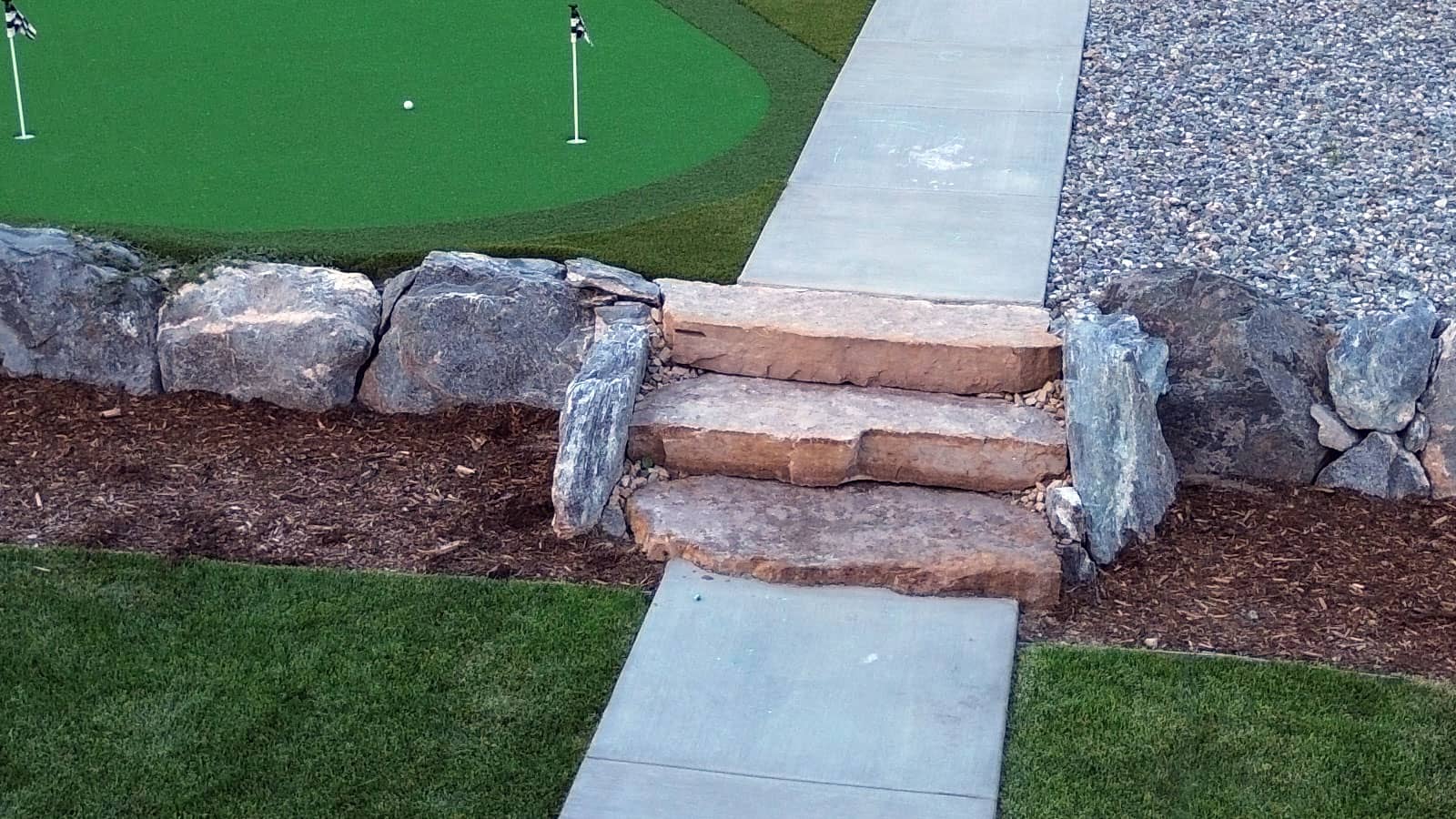
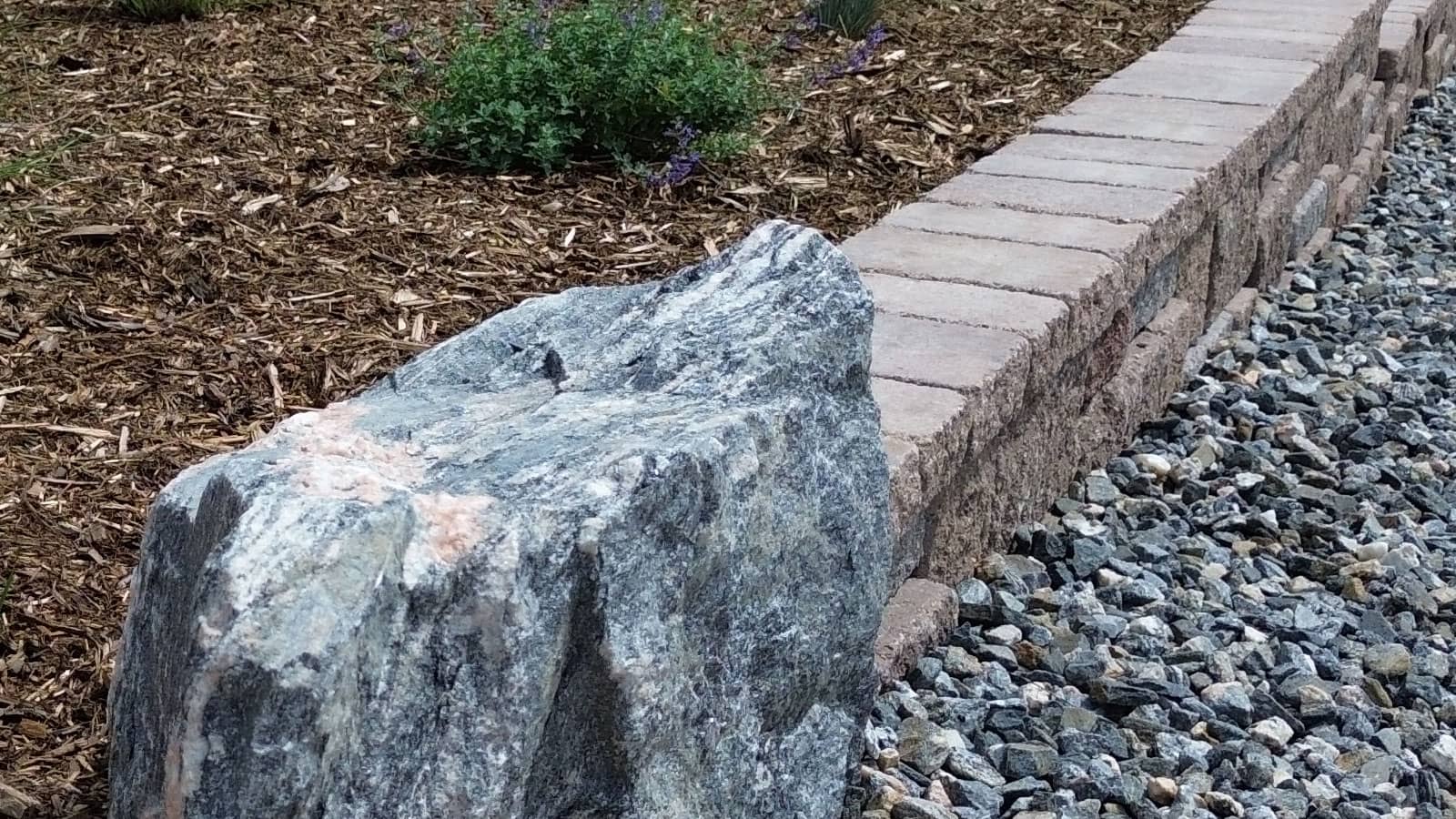
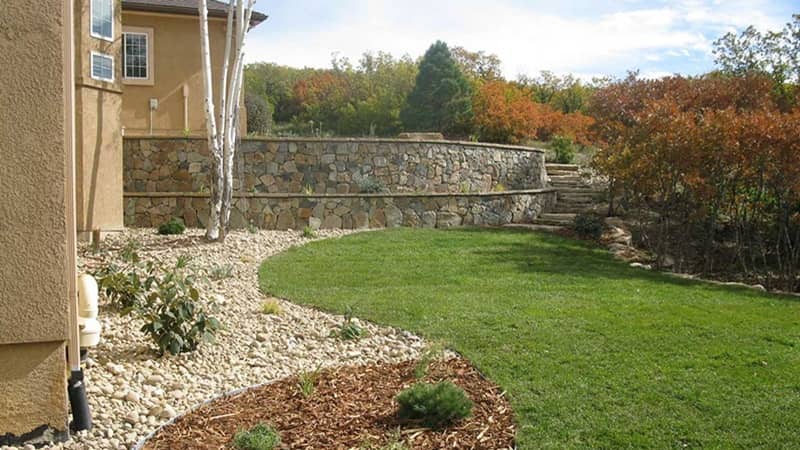
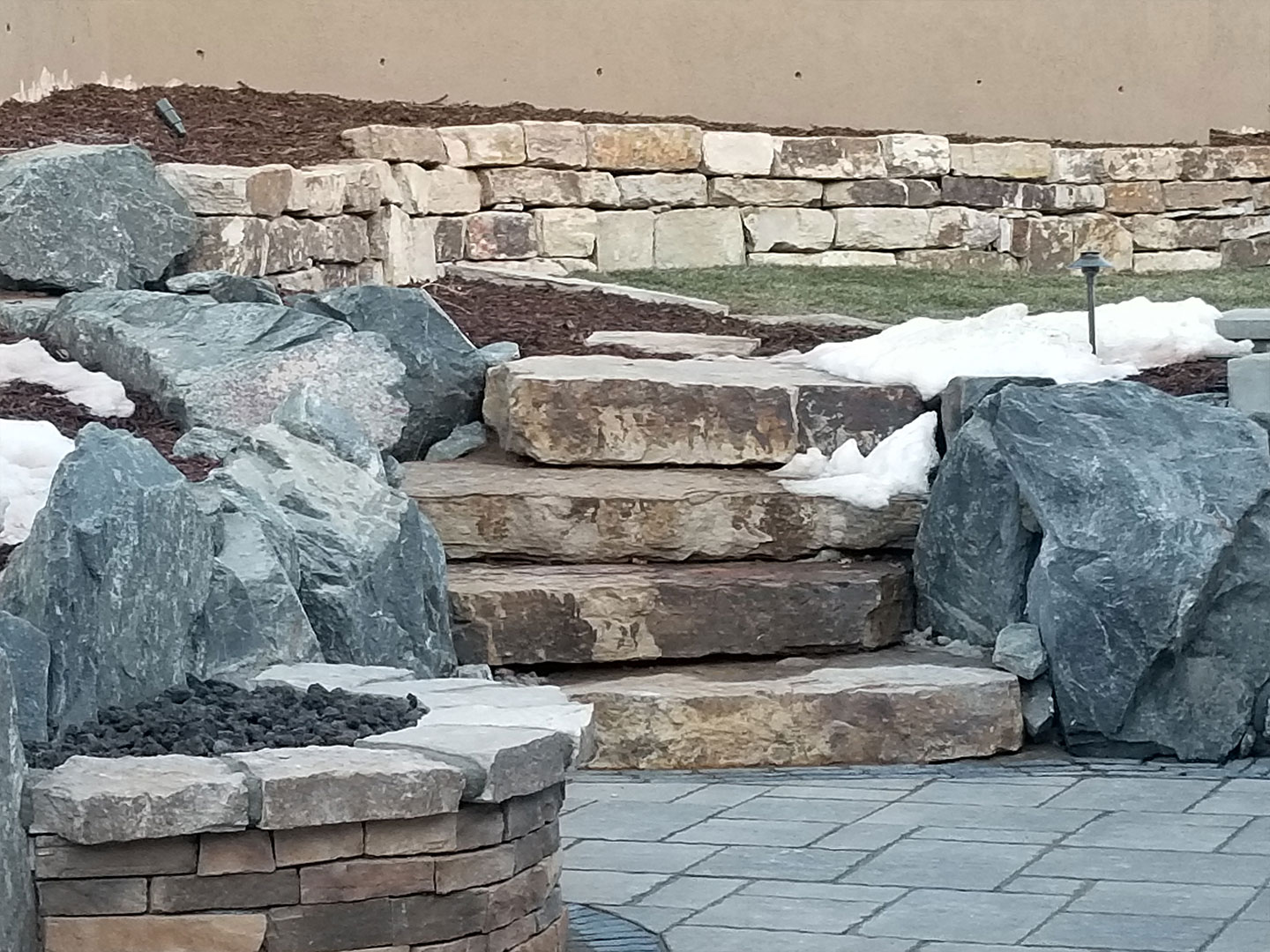
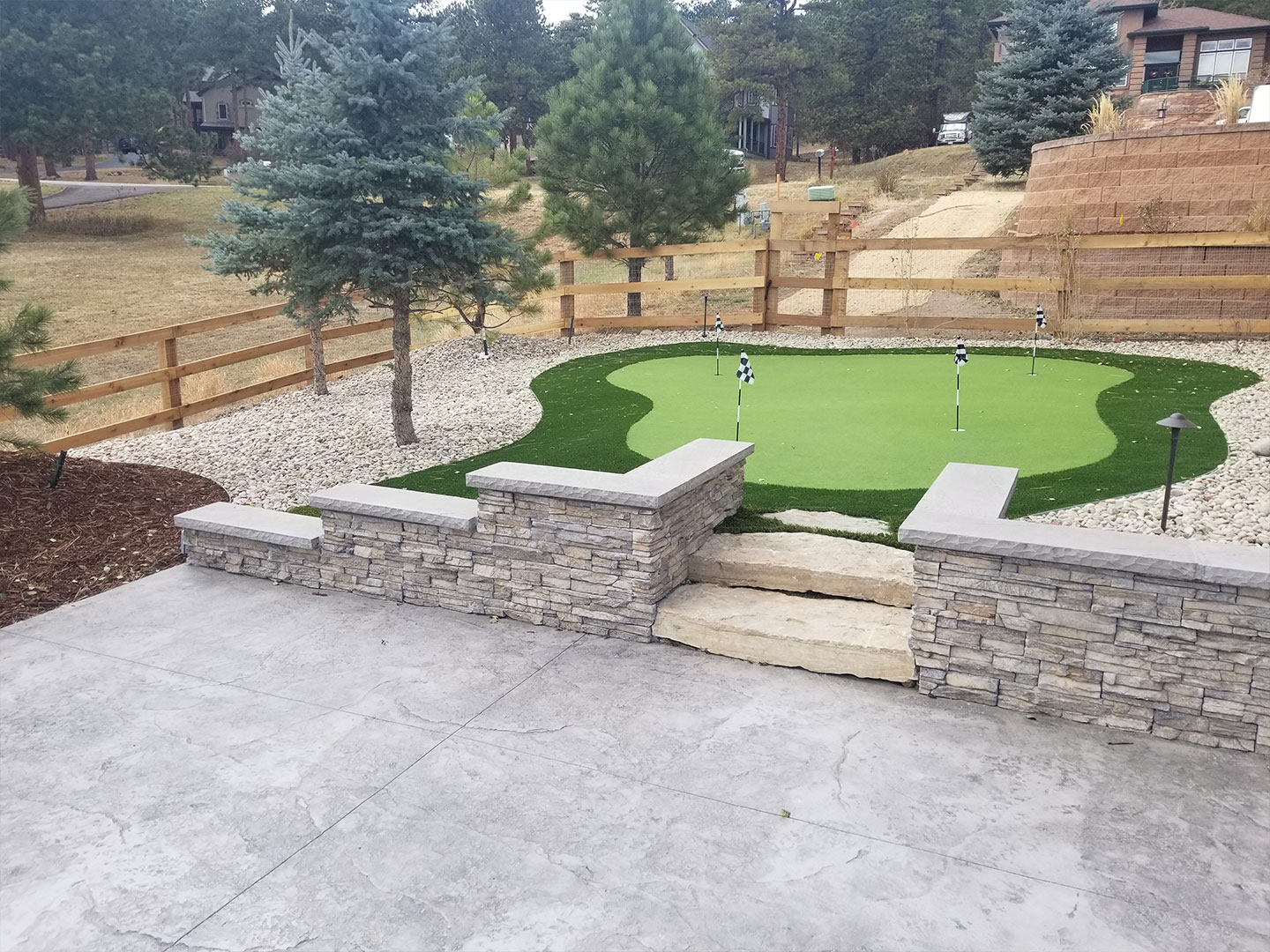
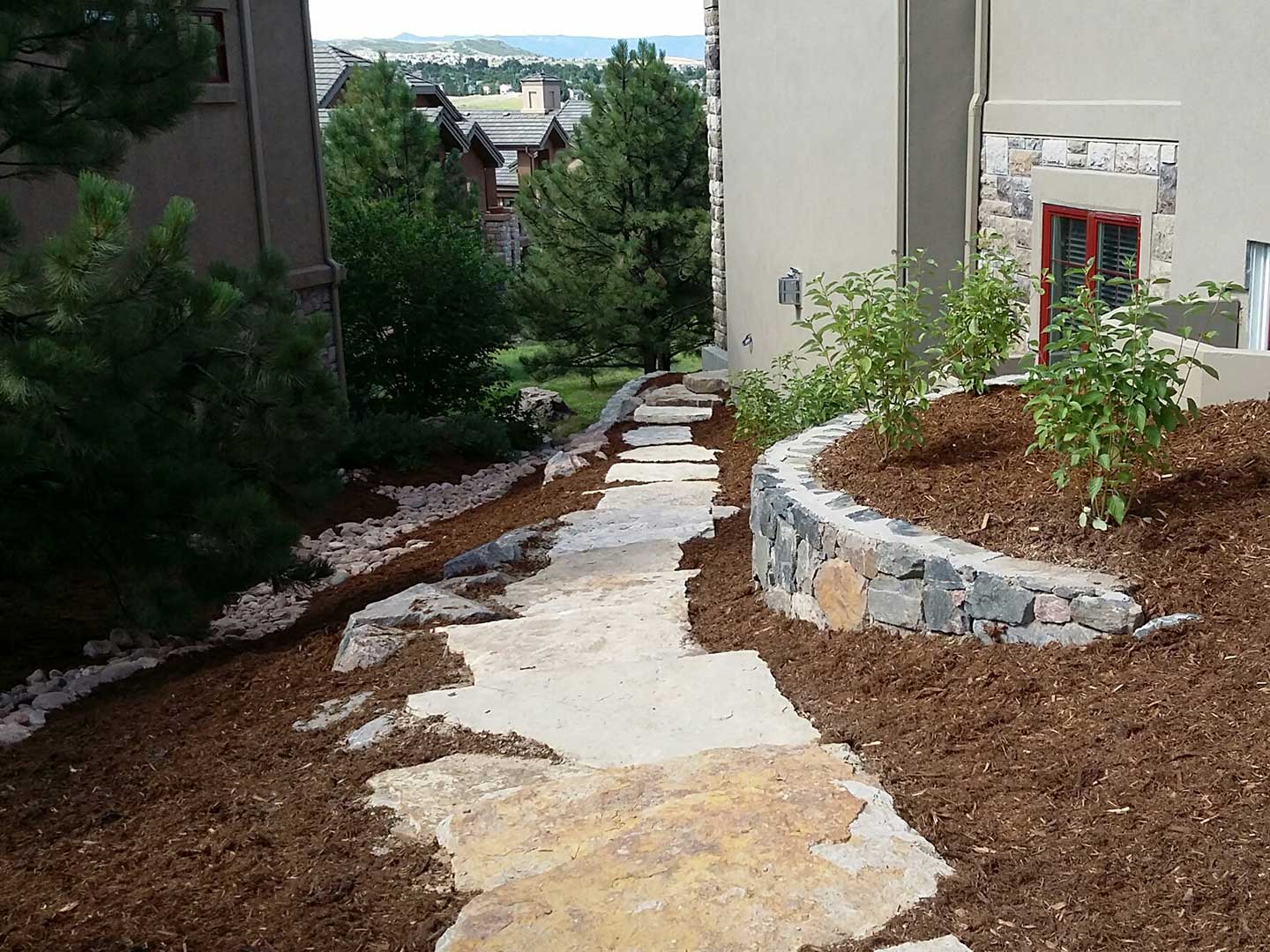
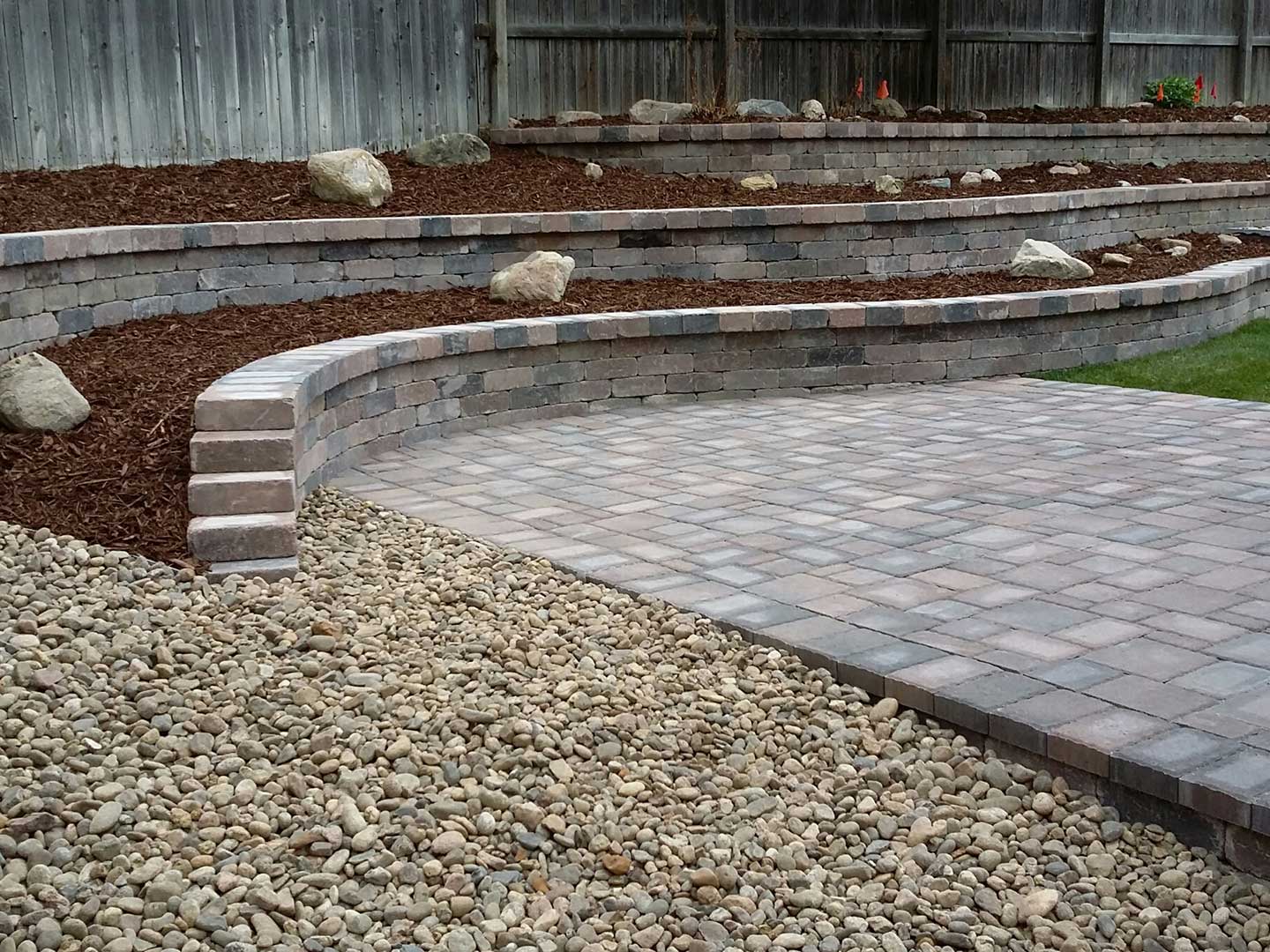
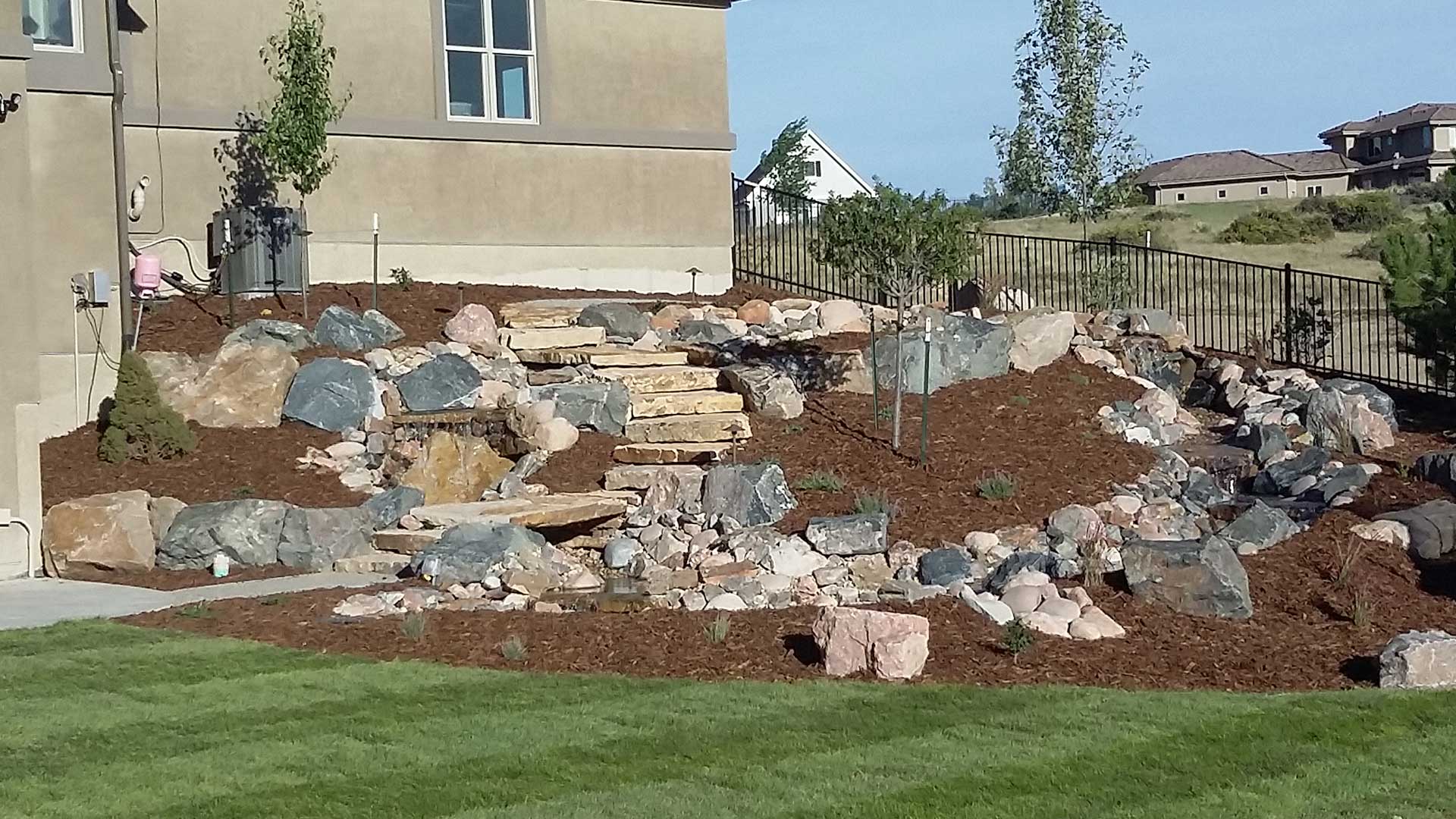
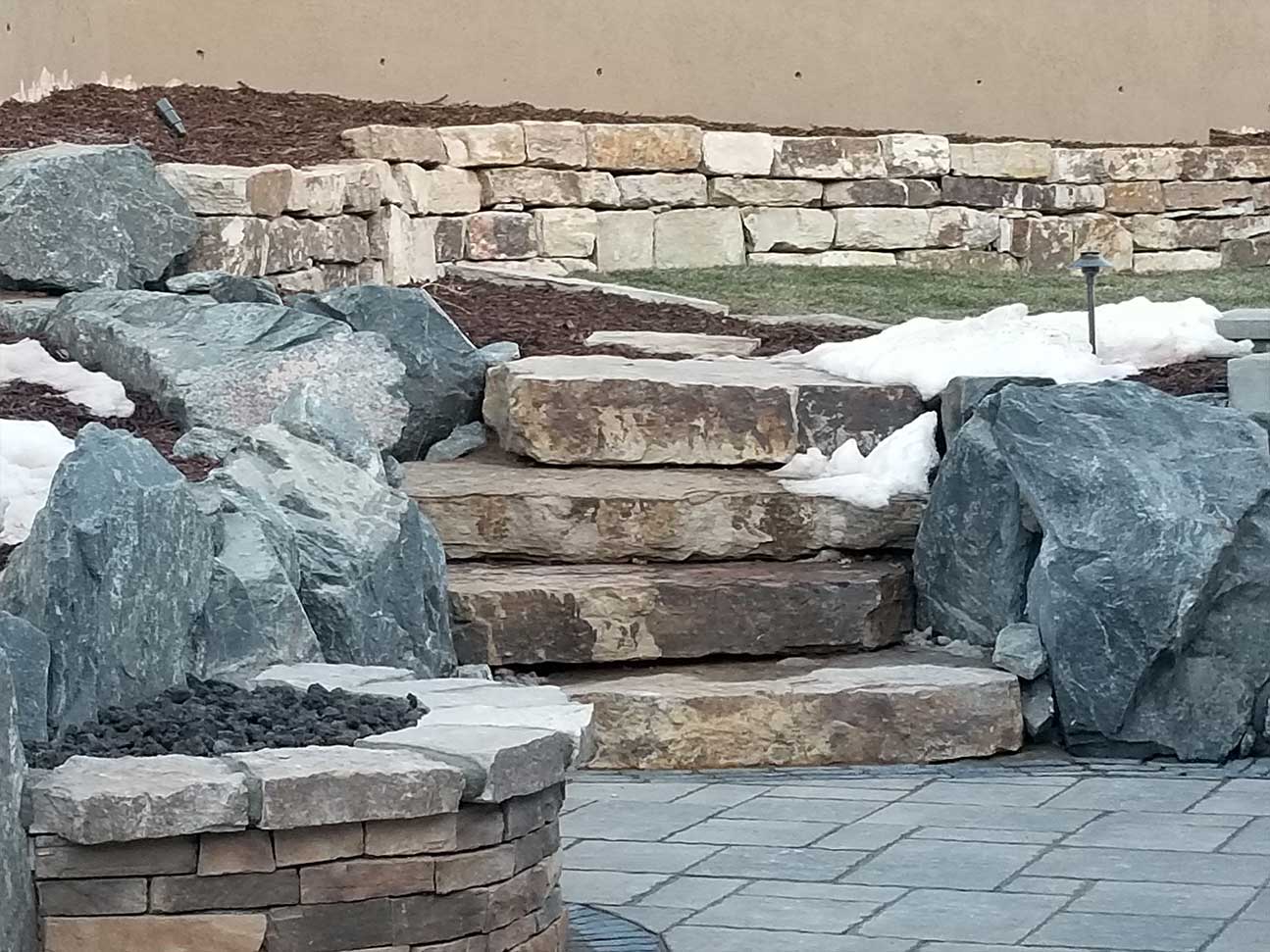

JS Enterprises completed retaining walls
View our gallery for more custom retaining walls from Castle Rock to Denver, Morrison to Colorado Springs, and more!