Table of Contents
Key Takeaways
- Use native evergreen shrubs and dense ornamental grasses to create natural screening around pool equipment while maintaining proper ventilation clearance.
- Design layered landscaping with clumping bamboo or drought-tolerant plants that provide aesthetic barriers and help conceal mechanical components effectively.
- Incorporate strategic enclosure solutions using complementary materials like wood or composite that match your home’s architectural style and exterior finishes.
- Position landscaping elements to create visual barriers and sound absorption, utilizing dense plant arrangements to minimize equipment noise and enhance visual appeal.
- Ensure professional consultation for precise measurements, proper equipment access, and compliance with local code regulations when designing integrated landscaping solutions.
- Discover a variety of creative ideas for hiding pool equipment with landscaping.
How to Hide Pool Equipment With Landscaping: Introduction
Equipment Placement
Landscape Design Principles
Applying landscape design principles is a powerful way to hide pool equipment while enhancing the overall beauty of your backyard. By using ornamental grasses, shrubs, and other carefully selected plants, you can create a natural screen that blends equipment into the landscape. Layering plants of different heights and textures adds depth and interest, making the equipment area feel like an intentional part of your garden design.
In addition to plants, materials like stone and wood can be incorporated to further disguise pool equipment. For example, a low stone wall or a wooden screen can complement the surrounding landscape and provide additional coverage. By focusing on balance, proportion, and harmony in your design, you can ensure that your concealment solution feels integrated and visually pleasing from every angle. Thoughtful pool landscape design not only conceals pool equipment but also enhances the overall outdoor experience.
Structural Enclosure Solutions
Four primary structural enclosure solutions can effectively hide pool equipment while maintaining functionality and aesthetic appeal. Wood, composite, masonry, and vinyl materials offer versatile options for creating custom enclosures that seamlessly integrate with your outdoor space.
You’ll want to prioritize design elements that include ventilated access panels and removable doors, which are essential for allowing easy access to the equipment for maintenance and repairs, as well as roofing that protects equipment from environmental elements. These enclosures are often considered a permanent solution and can take the form of a dedicated pool house that matches the home’s style.
When designing your enclosure, match the structural materials to your home’s architectural style and exterior finishes. Guarantee proper ventilation by incorporating strategic openings that prevent heat buildup and allow sufficient airflow. A well-designed enclosure will protect equipment from weather and environmental damage. Your enclosure should provide thorough concealment while maintaining manufacturer-recommended clearances and facilitating easy equipment access during maintenance and potential future upgrades.
Strategic Landscaping Techniques
Beyond structural enclosures, strategic gardening offers another sophisticated approach to concealing pool equipment while enhancing your outdoor aesthetic. Native evergreens and ornamental grasses provide year-round screening that effectively masks mechanical components while adding visual interest to your surroundings. Selecting plants that grow tall, such as bamboo or tall grasses, is especially effective for concealing equipment. Ornamental grasses are also a low-maintenance alternative to traditional grass lawns.
When positioning plants, maintain a critical 24-inch clearance from equipment to guarantee proper ventilation and prevent airflow restrictions. Opt for clumping bamboo varieties or dense shrubs that create natural barriers without compromising equipment functionality. Consider drought-tolerant species that thrive in your local climate and require minimal maintenance.
Layered plantings with varying heights create depth and texture, altering an unsightly equipment area into an attractive outdoor feature. A lot of dense plantings may be needed to fully hide equipment from view. Strategic placement and careful plant selection can seamlessly integrate pool mechanics into your outdoor environment. Tall plants and grasses can also be used to hide pipes and other exposed components.
Decorative Concealment Strategies
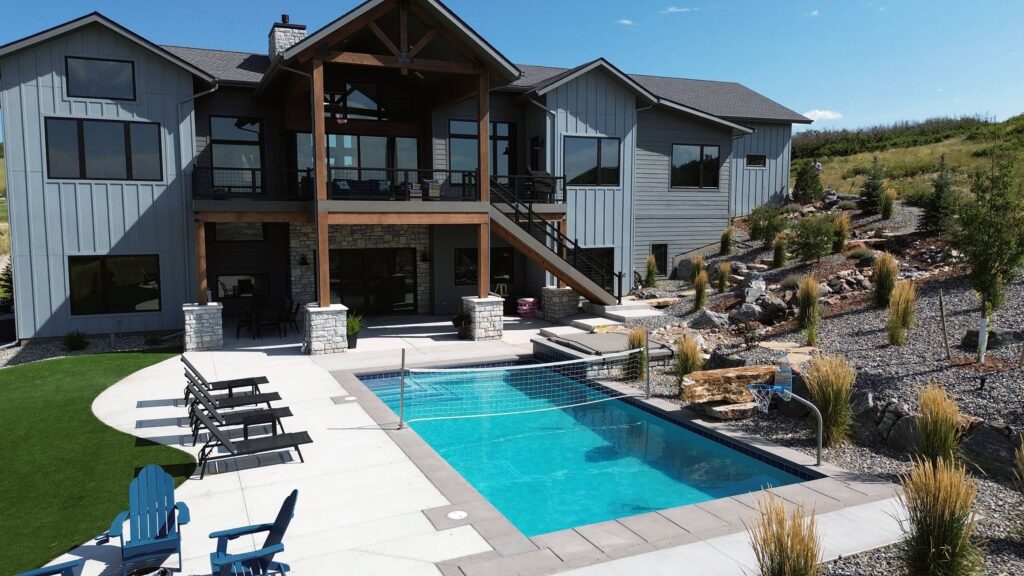
While structural solutions offer extensive concealment, decorative elements provide creative and aesthetically pleasing alternatives for hiding pool equipment. Trellises with climbing vines create natural, visually appealing screens that seamlessly integrate with your garden design. Privacy screens are another stylish option for concealing pool equipment while enhancing the garden’s look. Large decorative boulders strategically positioned can effectively mask smaller pump and filter units, adding a naturalistic touch to your outdoor space. Incorporating a rounded edge on a concrete or stone feature can soften the look and help blend the concealment with the surrounding landscape.
Garden statuary and water features offer dual benefits: they divert visual attention from equipment while enhancing overall garden aesthetics. Edging elements can be used to define the border of the equipment area and create a polished finish. Carefully selected decorative elements like artistic screens, sculptural installations, and vertical garden structures can change mundane equipment hiding into an opportunity for landscape design innovation.
The key is selecting decorative solutions that harmonize with your existing outdoor environment, creating a unified and attractive concealment strategy. These decorative solutions can also improve the view from various points in the backyard.
Multi-Functional Design Approaches
- Build storage enclosures with integrated shelving for pool accessories
- Create screening structures that can be turned into an outdoor bar or serving area
- Attach planter boxes to equipment screens for vertical gardening
- Design modular panels that provide equipment coverage and seating
- Incorporate equipment hiding solutions with built-in lighting features
- Incorporate storage benches that provide seating and discreet storage for pool equipment and pool toys
Aesthetic Considerations
Aesthetic considerations are key when designing a solution to hide pool equipment. The materials, colors, and styles you choose should complement your home’s architecture and the existing landscape. For a modern home, sleek walls or minimalist fences may be the best fit, while a more traditional property might benefit from natural wood screens or lush plantings.
Think about how your concealment solution will look from different viewpoints around your backyard. The goal is to create a cohesive space where the pool equipment blends in seamlessly, rather than standing out. By matching the style and finish of your fence, wall, or landscaping to the rest of your outdoor area, you’ll enhance both the functionality and the visual appeal of your pool space. Prioritizing aesthetics ensures that your backyard remains a welcoming retreat for family and friends.
Sound and Noise Management
| Sound Reduction Method | Effectiveness | Installation Complexity |
|---|---|---|
| Acoustic Panels | High | Moderate |
| Rubber Equipment Mounts | Medium | Low |
| Dense Plant Barriers | Low-Medium | Low |
| Insulated Enclosures | High | High |
| Strategic Positioning | Low | Low |
Practical Implementation Guidelines
- Verify manufacturer-recommended clearances for adequate ventilation
- Confirm access panel dimensions accommodate potential equipment removal Note: Poor access can be a real pain when servicing or replacing equipment, so plan for convenience.
- Research local building codes to prevent potential compliance violations
- Calculate future upgrade potential within proposed enclosure design
- Prioritize functional requirements alongside visual integration
Maintenance and Upkeep
Ongoing maintenance and upkeep are essential for keeping your pool equipment concealment solution effective and attractive. Regularly pruning plants, cleaning surfaces, and inspecting the equipment area will help prevent overgrowth, debris buildup, and potential damage. Ensuring proper ventilation and accessibility is crucial for the longevity of both your equipment and the concealment structure.
It’s also important to plan for future needs; choose plants and materials that are easy to maintain, and design your concealment solution with enough flexibility to accommodate equipment upgrades or changes. By staying proactive with maintenance, you’ll ensure that your pool equipment remains hidden, protected, and easy to access, allowing you to enjoy a beautiful and functional backyard for years to come.
Budget-Friendly Concealment Options
While budget constraints often limit pool equipment concealment options, homeowners can still achieve effective visual screening through strategic, cost-conscious approaches. Outdoor curtains hung from simple frames provide an affordable, flexible solution that can be easily adjusted or replaced. Decorative folding screens positioned strategically offer quick, portable concealment that doesn’t require permanent installation.
Fast-growing annual vines trained on lightweight trellises create rapid, inexpensive coverage with seasonal visual interest. Pre-made fence panels anchored in large decorative planters deliver an instant screening method that can be relocated as needed. Repurposed wooden pallets or reclaimed lumber can be altered into custom screens, minimizing material costs while delivering functional aesthetics.
These budget-friendly options allow homeowners to effectively hide pool equipment without significant financial investment. Reviewing photos of budget-friendly pool equipment concealment ideas can provide inspiration and practical guidance for your own project.
Professional vs. Do-It-Yourself Considerations
- Structural complexity of proposed concealment solution
- Required technical skills for construction
- Potential electrical or plumbing modifications
- Budget constraints and long-term investment
- Local building code compliance requirements